
Have you ever wondered how you can leverage your passion for skateboarding to make a positive impact in your community? Skateboarding is more than just a sport or a hobby; it’s a vibrant culture that can bring people together, foster creativity, and promote physical activity. Contributing to skateboard advocacy and community development not only helps grow this exciting activity but also nurtures a more inclusive and supportive environment for everyone involved.

Understanding Skateboard Advocacy
Skateboard advocacy involves efforts to promote skateboarding as a valuable cultural and recreational activity. Advocates work towards creating more inclusive public spaces, promoting safety, and enhancing community engagement related to skateboarding.
The Importance of Advocacy in Skateboarding
Without proper support and representation, skateboarders often face challenges such as limited access to safe spaces, restrictive regulations, or negative perceptions from those unfamiliar with the sport. Advocacy helps change these narratives, ensuring skateboarding is recognized for its benefits, like community engagement and personal development.
Historical Perspective on Skateboarding Advocacy
Advocacy in skateboarding has evolved significantly over the years. Initially perceived as rebellious, skateboarding has grown to be viewed more positively. This change is due, in no small part, to notable advocates working tirelessly to promote the sport, educating both local authorities and communities about its benefits.
Key Advocacy Organizations
Several organizations are actively involved in skateboard advocacy. Groups like the Skatepark Project (formerly Tony Hawk Foundation) focus on developing skateparks in underserved areas, while others like Skaters for Public Skateparks work on urban planning and promoting skate-friendly policies.
Contributing to Skateboard Community Development
Engaging in community development goes beyond improving infrastructure. It’s about connecting with others, sharing skills, and creating an environment where everyone feels welcome to participate.
Building and Supporting Local Skateparks
Developing skateparks is one of the most effective ways to support skateboarding communities. You can contribute by supporting projects financially, volunteering your time, or providing input during planning stages to ensure skateparks meet the community’s needs.
Hosting Skateboarding Events
Organizing events such as competitions, demos, or workshops can generate interest in skateboarding and bring new people into the fold. These events can also serve as a platform to discuss safety, best practices, and foster camaraderie among skaters.
Skateboarding as a Tool for Inclusion
Skateboarding transcends barriers, making it an excellent tool for fostering inclusion. Encourage programs that support young skaters, gender diversity, and those from different socio-economic backgrounds to ensure everyone has the opportunity to participate.
Taking a Grassroots Approach
Sometimes the most impactful advocacy starts right in your neighborhood. Grassroots efforts often involve direct engagement at the community level, making advocacy accessible and effective.
Organizing Community Meetings
Hosting regular meetings with community members allows for open discussion about the needs of local skateboarders. These meetings can help build relationships, foster collaboration, and identify pressing issues that need collective action.
Collaborating with Local Businesses
Partnering with local businesses, such as skate shops, can help amplify your efforts. Businesses often provide sponsorships, host events, or offer discounts to community members, which can enhance your advocacy initiatives.
Educating and Empowering Youth
Empowering young skaters through mentorship programs and workshops can instill leadership skills and community awareness from a young age. Encourage schools and local youth programs to incorporate skateboarding into their activities.
Engaging with Policy Makers
Understanding and influencing public policy is crucial for effective advocacy. Working with local governments and other relevant authorities can help create an environment that supports skateboarding.
Understanding Local Regulations
Educate yourself on the local laws and regulations that affect skateboarding. Being informed allows you to identify where changes are needed and how best to advocate for them.
Lobbying for Skateboard-Friendly Policies
Work with policy makers to draft and propose skateboard-friendly policies, such as zoning laws that allow for the creation of skateparks or ordinances that protect the rights of skateboarders in public spaces.
Developing Partnerships with City Planners
City planners play a key role in determining how public spaces are used. Develop relationships with them to advocate for more inclusive spaces that accommodate skateboarders and other alternative sports enthusiasts.

Making Use of Digital Platforms
In today’s interconnected world, digital tools offer a powerful means to reach broader audiences and effect change.
Building a Social Media Presence
Use social media to share information, organize events, and engage with a wider community of skateboarders and supporters. Platforms like Instagram, Facebook, or TikTok can spread awareness rapidly and effectively.
Creating Engaging Content
Produce content that highlights the positive aspects of skateboarding, such as tutorials, safety tips, or short documentary-style videos of local skaters. This content can challenge misconceptions and promote positive narratives about the sport.
Starting an Online Petition
Online petitions can be an effective way to gather support for specific initiatives. Platforms like Change.org allow for easy creation and sharing, potentially drawing attention from media outlets and decision makers.
Encouraging Media Representation
Accurate and positive portrayals of skateboarding in media can help shift perceptions and broaden acceptance.
Engaging with Local Journalists
Reach out to local journalists and invite them to attend events or interviews. Providing them with information about the benefits of skateboarding can lead to more informed and positive coverage.
Supporting Skateboard Media Outlets
Support media outlets that highlight skateboarding culture, such as magazines, blogs, and YouTube channels. They contribute to a positive dialogue and help spotlight issues that matter to the skateboarding community.
Promoting Diverse Voices
Ensure diverse voices within the skateboarding community are heard by supporting female skaters, skaters of color, and those from varied backgrounds. This inclusivity can enrich the narrative and promote broader acceptance.
Advancing Safety and Education
Promoting safety is a crucial element of skateboarding advocacy. By focusing on education and preventive measures, you can help ensure skaters of all levels enjoy the sport responsibly.
Promoting the Use of Safety Gear
Advocate for the use of helmets, pads, and other safety equipment. Organizing workshops on how to properly use these gear items can enhance safety awareness among skaters.
Offering Educational Workshops
Educational workshops can cover topics ranging from basic skills to advanced techniques, as well as emphasizing personal safety. Offering these workshops can help new skaters feel more comfortable and confident.
Partnering with Local Schools
Collaborate with local schools to incorporate skateboarding into physical education programs. Not only does this raise awareness, but it also provides a structured environment for learning and growth.
Supporting Sustainability Efforts
Sustainability is an increasingly important aspect of community development, and skateboarding is no exception. Advocating for sustainable practices ensures that the sport can continue to thrive without harming the environment.
Promoting Eco-Friendly Products
Encourage the use of skateboard brands and products that prioritize sustainable practices and materials. This can include decks made from sustainable wood sources or wheels from recyclable materials.
Organizing Cleanup Events
Engage in activities like park clean-up days to maintain skate spots and surrounding areas. These events not only support the environment but also help build a sense of community pride and responsibility.
Educating About Environmental Impact
Raising awareness about the environmental impact of skateboarding and promoting practices that minimize harm can ensure the sport’s sustainable growth. Education can encompass everything from material choices to travel habits.
Charting Your Path Forward
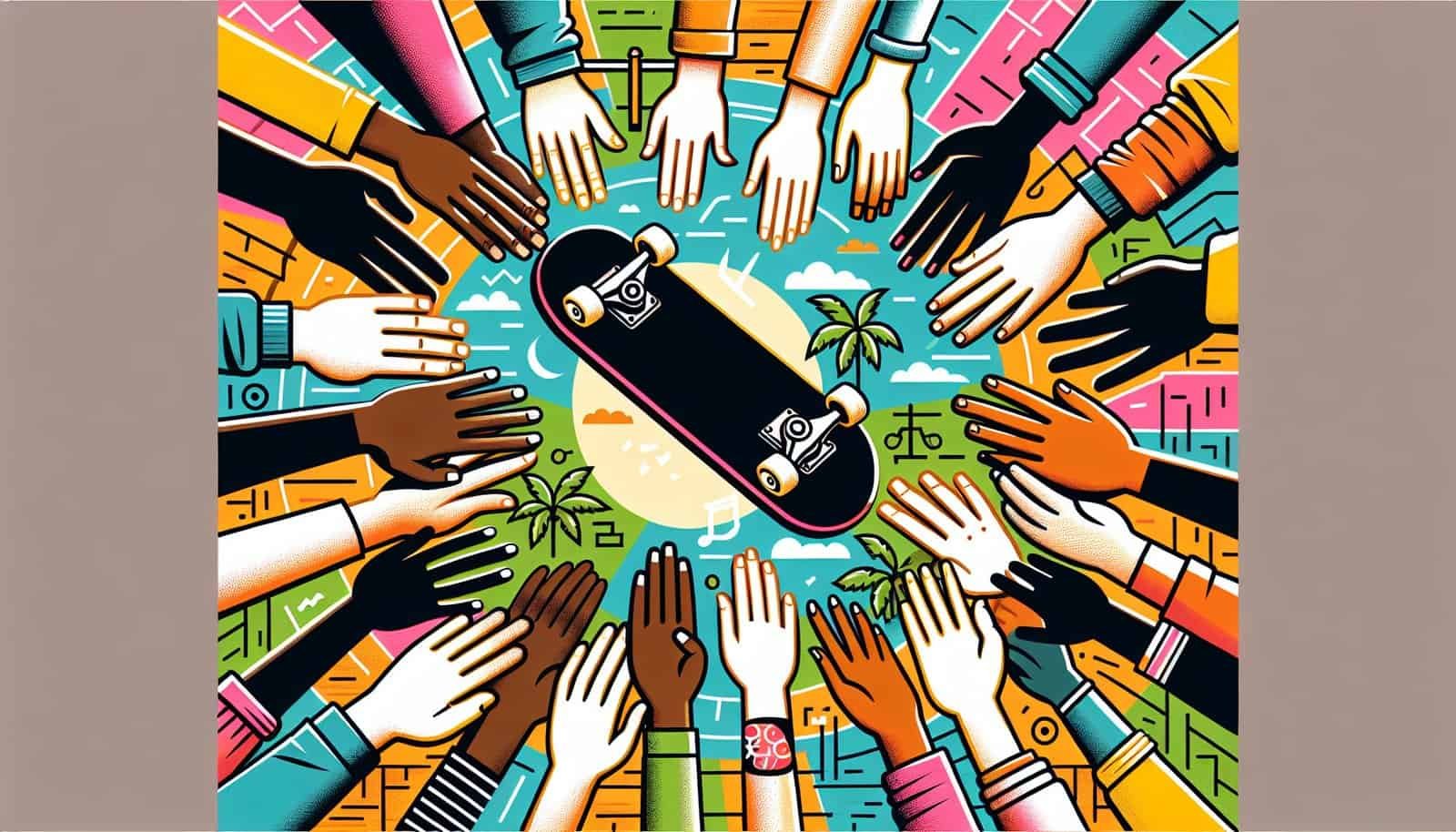
Your involvement in skateboard advocacy and community development can take many forms, depending on your skills and interests. The most important aspect is your commitment to making a difference and the impact you can have on both the sport and your community.
Assessing Your Skills and Resources
Reflect on the unique skills, resources, or connections you have that could be leveraged in advocacy efforts. Whether it’s organizing, content creation, or networking, everyone has something valuable to offer.
Setting Realistic Goals
Define what you hope to achieve in your advocacy journey. Setting clear, realistic goals allows you to measure success and adjust initiatives as needed to ensure continual progress.
Celebrating Your Achievements
Celebrate the milestones, big or small, achieved through your advocacy efforts. Acknowledging these achievements reinforces the importance of your contributions to both the skateboarding community and broader societal development.
Embarking on the journey to contribute to skateboard advocacy and community development is not only rewarding but essential for the sport’s continued growth and integration into mainstream culture. By taking action now, you’re helping to shape a more inclusive and supportive environment for current and future skaters alike.