
Can you picture the thrill of capturing those epic skateboarding moments and transforming them into a masterpiece of motion and creativity? Creating skateboarding videos is an art in itself, merging the dynamic nature of the sport with the creativity of filmmaking. Whether you’re a seasoned videographer or a newbie with a camera, there’s always something new to learn when it comes to enhancing your skateboarding video projects. Let’s chat about some tips and techniques that can elevate your filming and editing game.
Understanding the Basics of Skateboarding Videos
Before you start rolling the camera, it’s important to have an understanding of both the sport and what makes a great skateboarding video. This involves an appreciation of the tricks, the flow, and the culture that surrounds skateboarding. The uniqueness of each skater can also be your guide to capturing footage that highlights their particular style.
Knowing Your Subject
Every skater has their own style, which is likely influenced by their personality and the environment where they skate. Spend some time getting to know the skater you’re filming – their favorite tricks, their go-to spots, and their vision for the video. This research not only helps in forming a connection but also helps you plan shots that emphasize what makes them special.
Basic Equipment You’ll Need
You don’t need ultra-expensive equipment to shoot quality skateboarding videos, but having the right tools can make a big difference. Here’s a basic rundown of what you might need:
| Equipment | Purpose |
|---|---|
| Camera | Capture footage; DSLRs, GoPros, or smartphones can do the trick. |
| Lens | Wide-angle lenses are great for skateboarding shots. |
| Stabilizer | Helps in shooting smooth footage, especially useful when following skaters. |
| Microphone | Capture quality audio if desired; windshields help in outdoor settings. |
| Lighting | Useful for night shoots or in dark environments. |
Filming Techniques for Dynamic Skateboard Videos
Filming skateboarding is all about capturing the action in its raw and engaging form. Here are some techniques that could help you achieve that dynamism in your videos.
Choose the Right Lens
A wide-angle lens is often a favorite because it helps to encompass the entire scene, capturing the skater and their surroundings. It can give the viewer a sense of being right there beside the action. A fisheye lens can add an artistic flair to your shots and is perfect for emphasizing proximity and speed.
Focus on Angles
The most captivating videos often feature a variety of angles and perspectives. Consider switching up your angles to maintain the audience’s interest. Low angles can enhance a trick’s height or the skater’s speed, while high angles can provide a comprehensive view of a skate park or urban terrain.
Tracking Shots for Dynamism
Following the skater as they move creates dynamic footage that immerses the viewer in the experience. This can be achieved through handheld shots, using a stabilizer, or even mounting your camera on a skateboard. Remember, the aim is to keep the movement smooth to prevent jarring footage.
Slow Motion and Speed Ramps
Incorporating slow motion or speed ramps can add drama and emphasis to specific tricks. This technique highlights the skill involved and can intrigue viewers. Ensure you plan these shots ahead, as they often require specific camera settings and stabilization to look their best.
Capture the Environment
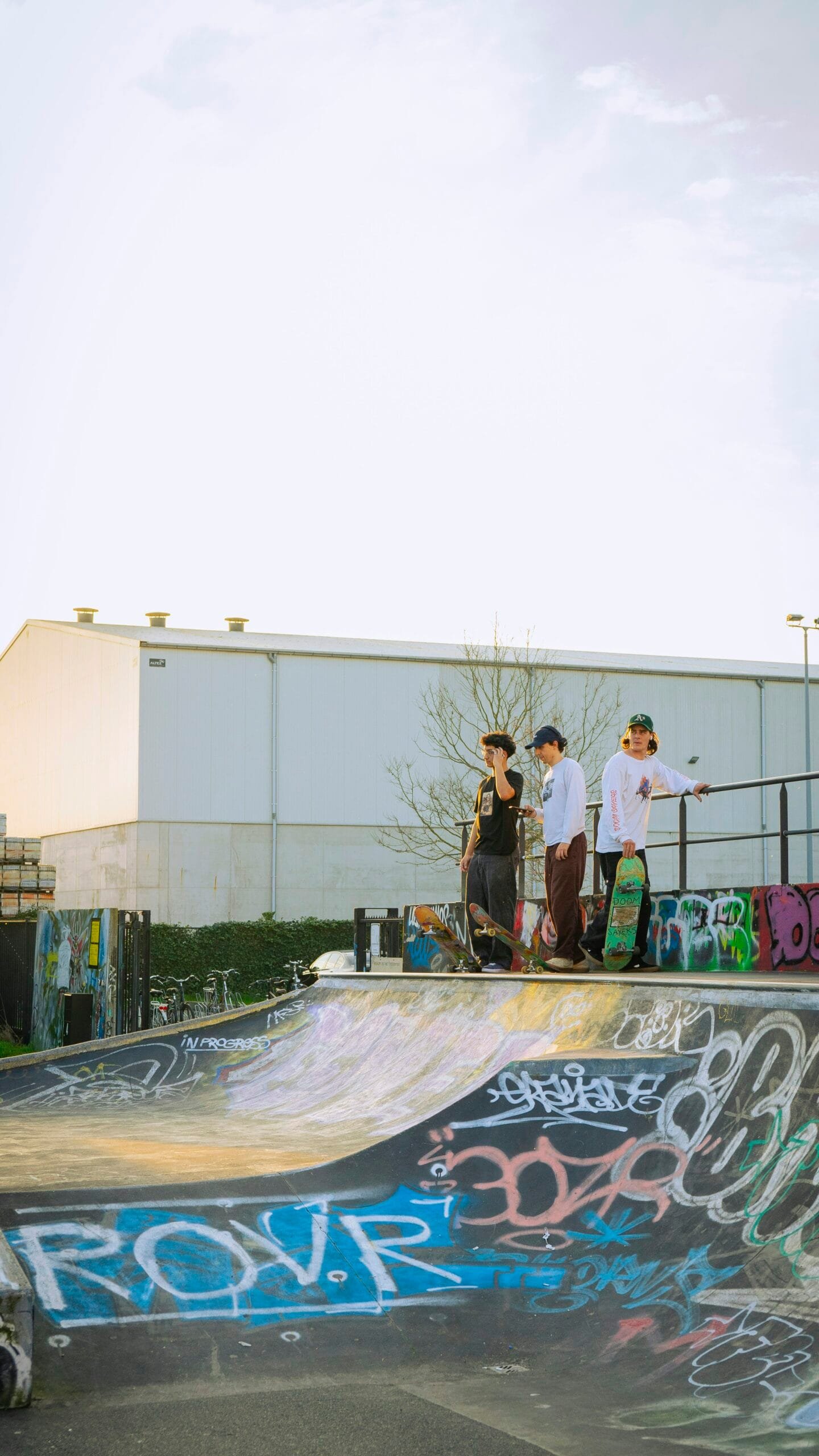
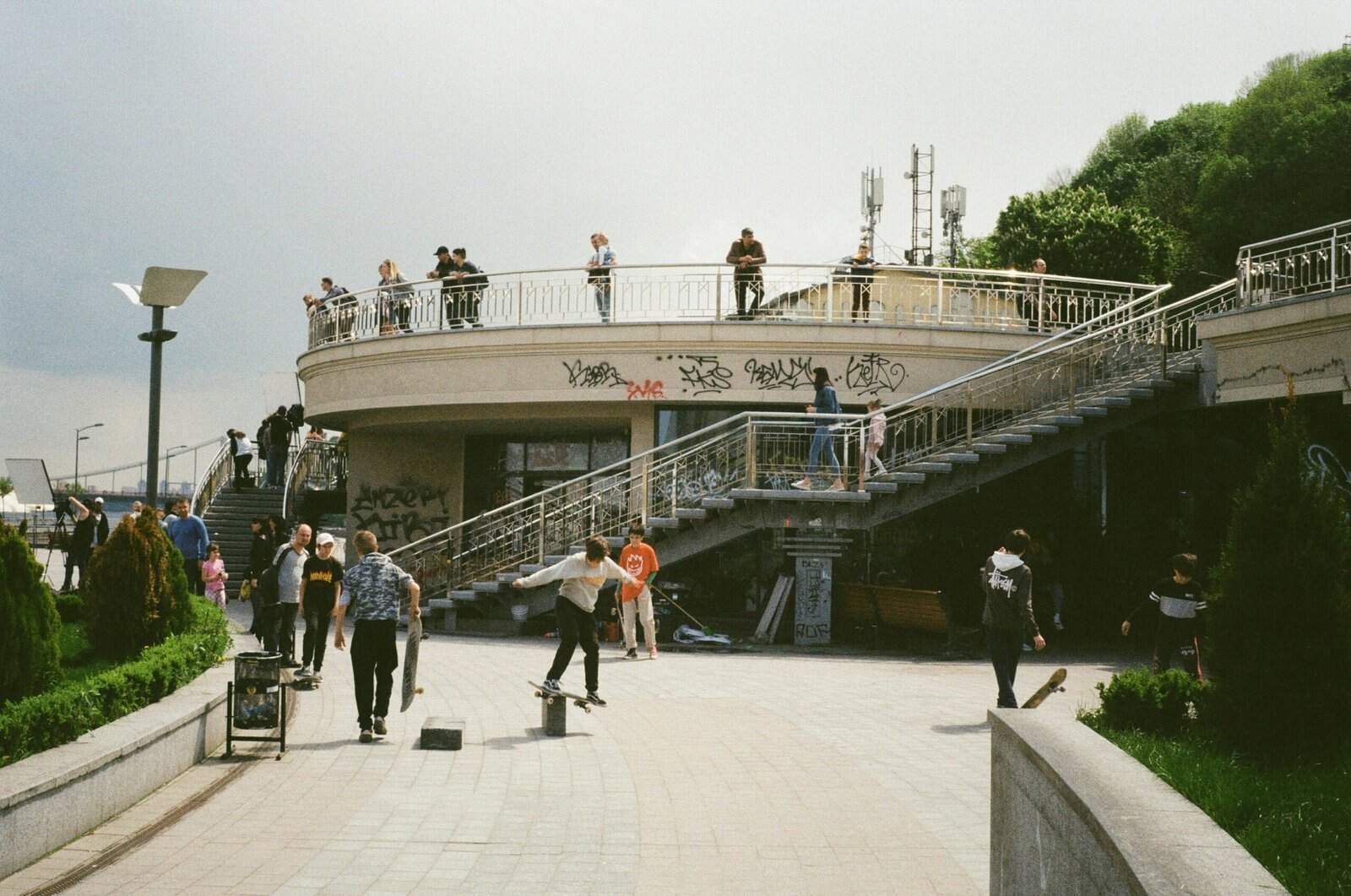
Don’t forget to include the setting in your skateboard video. The environment, whether it’s an urban landscape or a natural setting, adds context and atmosphere. Capturing crowd reactions, nearby elements, or striking backgrounds can enhance your footage and provide a richer narrative.
Editing Skateboarding Videos: Bringing Your Vision to Life
Editing is where all your creative decisions come together, allowing you to craft the video’s final narrative. Here’s how you can effectively edit your skateboarding footage.
Selecting the Right Software
Opt for an editing software that fits your skill level and project needs. Some popular options include:
| Software | User Level | Characteristics |
|---|---|---|
| Adobe Premiere Pro | Intermediate/Advanced | Professional editing features, customizable effects. |
| Final Cut Pro | Intermediate/Advanced | Mac exclusive, smooth interface, advanced effects. |
| iMovie | Beginner | User-friendly, basic editing tools, free on Mac. |
| DaVinci Resolve | Intermediate/Advanced | Deep color correction features, free and paid versions. |
Structuring Your Video
Start by reviewing the raw footage and selecting the best clips. Consider creating an outline to guide the video’s flow, ensuring a balance of action scenes, close-ups, and environment shots. Incorporate storytelling elements to maintain viewer engagement from start to finish.
Highlighting the Tricks
Each trick likely took several attempts to perfect, so give them the spotlight they deserve. Use slow-motion effects for difficult tricks to showcase the skater’s skill and precision. Highlighting these moments can make the video feel more thrilling.
Synchronized Soundtrack
Music adds emotion and energy to a skateboarding video. Choose tracks that match the tempo of the footage, enhancing the mood and supporting the visuals. Pay attention to syncing the beats with transitions and actions, as this can make your video more captivating.
Enhancing with Sound Effects
The raw sound from skating – wheels against pavement, the landing of a trick – adds authenticity to the video. Layering these sounds with your chosen music track can make the footage more immersive. Try to balance the background music with these natural sounds for a cohesive audio mix.
Applying Color Grading
Proper color grading can transform the look of your video. It’s about creating a consistent style or mood throughout, whether you’re going for natural tones or a stylized, dramatic palette. Always aim for a look that complements both the skater’s style and the environment.
Visual Effects and Transitions
Incorporating visual effects sometimes adds an extra layer of interest to your video. Subtle effects or transitions that match the skateboarding context can work well. However, avoid overdoing effects to prevent distracting from the actual footage.
Developing a Storyline
Even though skateboarding videos predominantly showcase tricks, weaving in a storyline can provide depth and context to the viewer. A story might revolve around a particular skate spot, a day in the life of the skater, overcoming challenges, or preparing for an event. This narrative could be presented through a combination of interviews, behind-the-scenes shots, and a mix of actions.
Creating a Narrative Arc
Think about the elements of storytelling, such as setting the scene, presenting a challenge (like learning a new trick), building up to a climax, and concluding after a resolution. Each of these stages can guide the selection and sequencing of your clips.
Incorporating Interviews and Commentary
Interviews with the skater or commentary over the footage can provide personal insight and authenticity. This allows viewers to connect with the skater beyond the tricks, understanding their motivations, struggles, and emotions. Keep interviews natural and conversational for the best results.
Testing and Reviewing Your Video
Before releasing your creation into the wild, take the time to test and review your video. Get feedback from fellow filmmakers or others involved in the skateboarding community. Input from other perspectives can spotlight any adjustments or improvements needed.
Test Across Devices
Checking how your video looks and sounds on different devices – such as smartphones, tablets, and desktops – ensures an optimal experience for viewers, no matter where they watch. Examine color balance, sound quality, and resolution consistency during this process.
Revise and Refine
Don’t be afraid to make changes based on your review process. Editing is a creative endeavor, and revisions are part of refining your vision. Even small tweaks can significantly enhance the quality and appeal of your video.
Sharing Your Skateboarding Video
Sharing your work is often one of the most exciting parts of filmmaking. It allows your creativity and the skater’s talent to reach a wider audience, potentially opening doors for future projects or collaborations.
Choosing Platforms
Select the appropriate platforms for your audience. YouTube, Instagram, and TikTok are popular choices, each catering to different viewing styles and community interactions. Consider shorter edits or teasers for social media platforms that favor brief content.
Engaging with the Audience
Build a connection with viewers by interacting in comments or encouraging discussions. Engaging with your audience can provide energy to your project’s reception and contribute to building a community around your videos.
Monitoring Performance
Keep an eye on how your video performs analytically. Metrics such as views, shares, and comments can inform what worked well and what might need adjusting in future projects. Use this feedback loop to continuously enhance your filming and editing skills.
Conclusion
Filming and editing skateboard videos can be a highly rewarding process, merging sport and art into one exhilarating experience. With the right techniques and a focus on creativity, your footage can capture the spirit of skateboarding and convey it to audiences around the world. Embrace each step, from filming techniques to post-production polish, and let your passion propel your projects to new heights. Enjoy the journey and the narratives you create along the way.