
Have you ever wondered how a simple wooden board with wheels turned into a global phenomenon that blends sports, culture, and style? Skateboarding’s story is a fascinating one, filled with innovation and evolution that spans decades. As Google News highlights the latest in skateboarding advancements and trends, let’s take an enthralling journey through the past, present, and future of skateboarding.
The Humble Beginnings of Skateboarding
Skateboarding began as a simple pastime on the streets and sidewalks of Southern California. In the 1950s, skateboarding was born out of a desire to surf on land when the waves were flat. This early form of skateboarding was created by attaching roller skate wheels to wooden planks. The rudimentary nature of these boards could not contain the ambitions of its users for long, however.
From Crude Toys to Sidewalk Surfing
Initially conceived as a toy, skateboarding was all about mimicking the motions of surfing. Riders would cruise down sidewalks and hills, performing gentle turns akin to those experienced in ocean waves. It was considered more of an activity than an actual sport, but for those who dared to try, skateboarding offered a unique thrill.
Setting the Stage for Cultural Impact
By the 1960s, skateboarding had gained enough traction to develop into a defined culture, influencing fashion, music, and lifestyle. But it was still quite niche, limited mostly to the California area where the conditions were ripe for both surfing and skateboarding.
The Evolution of the Skateboard
As the 1970s dawned, skateboarding began to evolve rapidly, laying the groundwork for what it would become today. Innovation became the key driver of skateboarding, setting the stage for its transformation from a casual activity to a full-fledged sport.
Technological Innovations: The Zephyr Team and the Urethane Wheel
A pivotal moment in skateboarding’s technical development was the introduction of urethane wheels. These wheels, unlike their clay or metal predecessors, offered better grip and a smoother ride, instantly revolutionizing skateboarding. Around the same time, the Zephyr Skate Team, also known as the Z-Boys, brought their surfing style to concrete pools, expanding skateboard tricks and popularizing “vert” skating.
Deck Designs and the Role of Art
The 1980s and 1990s saw enormous growth, not only in terms of skateboarding tricks and styles but also in the physical design of skateboards themselves. More robust and flexible decks emerged, allowing for better control and more choreographed aerial maneuvers. Artists started using skateboard decks as canvases, with designs that expressed cultural statements, much like graffiti and street art.
The Cultural Significance of Skateboarding
Skateboarding’s growth included a profound cultural impact. It went from a niche hobby to a global subculture, intersecting with music, fashion, media, and even politics.
The Birth of Street Skateboarding
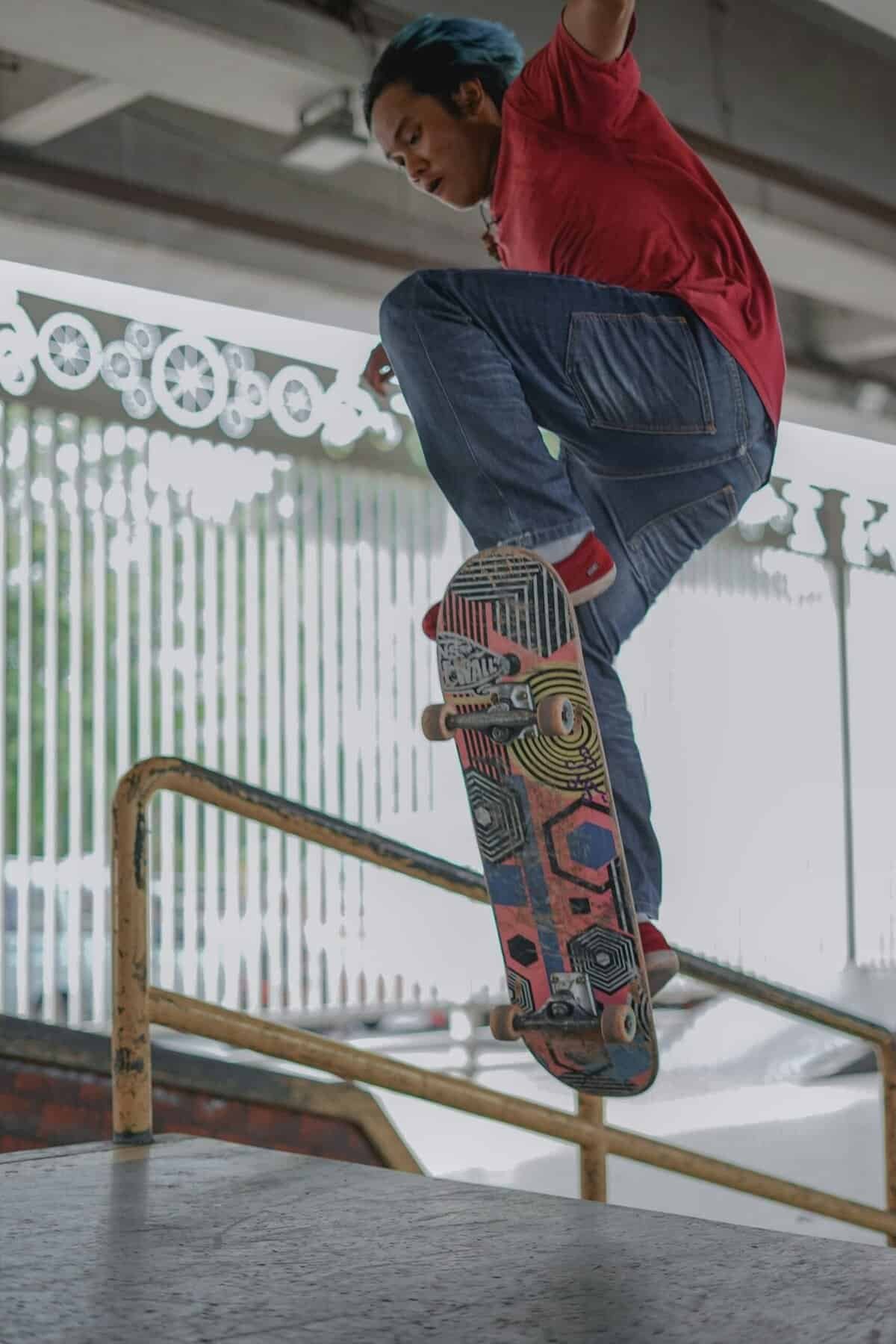
Street skateboarding arose from skateboarding’s increasing popularity and urban environment constraints. This style embraced handrails, ledges, and gaps—elements provided by the cityscape. As skaters took to the streets, they brought their creativity and defied acceptable norms, challenging perceptions about public space usage and youth expression.
Skateboarding and Music
Skateboarding was irrevocably intertwined with music, particularly punk and hip-hop. The rebellious, do-it-yourself ethos of punk music struck a chord with skateboarders. Skate videos frequently featured such soundtracks, further cementing the connection between the two cultures.
Skateboarding as a Sport
From its artistic roots, skateboarding inevitably evolved into a competitive sport, initially meeting resistance from the original community. But professional skateboarding competitions propelled the activity to new heights.
Professional Competitions
Skateboarding competitions at a professional level helped legitimize skateboarding as a sport. From the X Games to local skate contests, these events showcased incredible skills and garnered broadcast attention worldwide. Skateboarding’s inclusion in the 2020 Tokyo Olympics marked a milestone, bringing it into mainstream sports.
Training and Facilities
As competitive skateboarding grew, so did the infrastructure supporting it. Skateparks that mimic urban environments and offer specific terrains for various styles of skateboarding became ubiquitous. Training regimes for professional skateboarders now include extensive physical and technical development.
Skateboarding Innovations in the Modern Era
As skateboard technology has progressed, so too have the innovations that keep evolving the sport. Electrification and modified designs are just a few of the progressions in recent years.
Electric Skateboards
The electrification of skateboards has taken the fascination with speed and ease of travel to the next level. These e-skateboards cater to a broad range of users, from commuting professionals to adrenaline junkies.
Pros and Cons of Electric Skateboards
| Pros | Cons |
|---|---|
| Eco-friendly transportation | Price |
| Faster than traditional skateboards | Limited range/battery life |
| Easy to ride for beginners | Maintenance |
Adaptive Design: Boards Tailored to Different Needs
New designs continue to adjust to a variety of skateboarding needs. From all-terrain boards capable of handling rough surfaces to lightweight options for street skaters, the diversity in skateboard design caters to unique riding preferences.
The Future of Skateboarding
What does the future hold for skateboarding? As technology and societal values evolve, skateboarding will undoubtedly adapt, embracing both.
Sustainability and Eco-Friendly Materials
With increased awareness of environmental issues, there’s a rising demand for skateboards made from sustainable materials. Bamboo decks, recycled wheels, and biodegradable components offer eco-friendly alternatives without sacrificing performance.
Inclusivity and Community-Building
One of skateboarding’s most appealing aspects is its inclusivity. Skateboarding communities have long supported diversity and gender equality within the sport. Grassroots organizations foster and promote skateboarding among women and marginalized groups, making the sport more accessible to everyone.
Conclusion
Skateboarding’s journey from crude sidewalk surfing to a globally recognized sport and culture is a dynamic narrative that reflects innovation, creativity, and transformation. Its evolution underscores a spirit of rebellion, artistry, and community, whether through the zealous freestyle of street skaters or the focused discipline of Olympic athletes. As technology and society continue to evolve, skateboarding is sure to ride new waves, carving out thrilling chapters for riders around the world. Whether you’re an old-school enthusiast or a brand-new admirer, the world of skateboarding offers endless opportunities to discover and embrace its vibrant culture.