
Have you ever wondered how you can enhance your riding skills when it comes to transition and skatepark features? Riding these features can be incredibly rewarding but also a bit intimidating if you’re just starting out or trying to level up your skills. This guide will walk you through some essential tips and techniques to help you become more comfortable and proficient, whether you’re on a skateboard, BMX, scooter, or even rollerblades. Grab your gear, and let’s enhance your skills in navigating these exciting terrains.
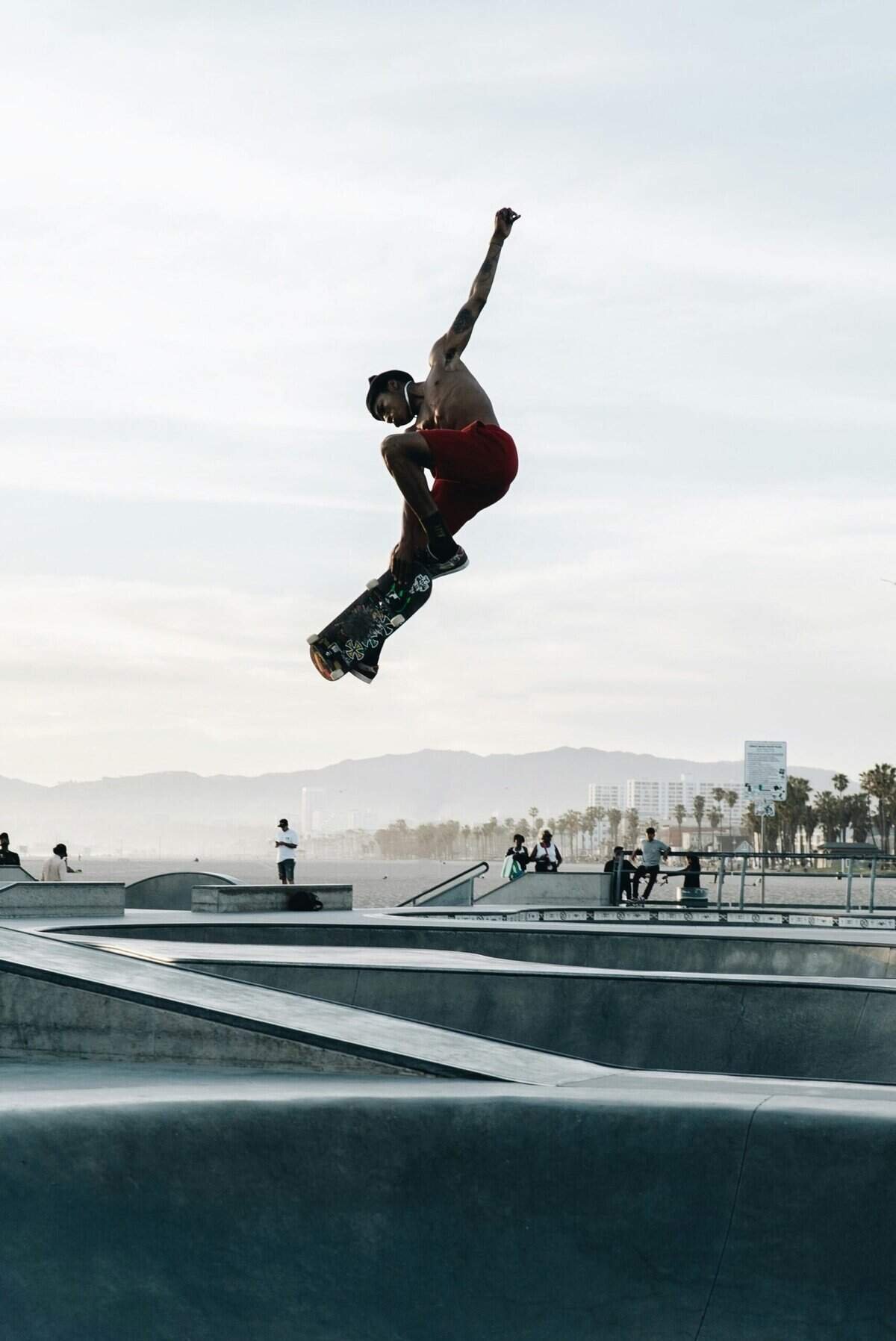
Understanding Transition and Skatepark Features
Before you can improve your skills, it’s essential to understand what transition and skatepark features are and how they work. This knowledge lays the foundation for becoming more skilled and confident.
What are Transition Features?
Transition features refer to any curved structures you find in a skatepark, such as ramps and bowls. These features are designed to mimic the smooth transitions you might find in a natural environment, like waves or hills. The key characteristic of a transition feature is the curve, which allows for seamless movement from horizontal to vertical. Mastering these requires a good sense of balance and timing.
What Makes Skatepark Features Unique?
Skatepark features can include both transition and street-like elements, including ledges, rails, stairs, and banks. These often require different skills, such as the ability to ollie onto railings or grind ledges. Each feature in a skatepark offers unique challenges and opportunities for tricks. Understanding the diversity of these features will help you know what to practice and perfect.
Getting the Right Equipment
Your progress can be significantly impacted by the equipment you are using. Selecting the right gear will not only improve your performance but also enhance your safety.
Choosing the Right Skateboard, BMX, or Scooter
Each type of equipment has features best suited to different kinds of skatepark activities. A skateboard with the right width, a BMX with appropriate tire tread, or a scooter with the right build can greatly affect your ability to handle transitions efficiently.
- Skateboards: Ensure the deck width matches your foot size for better control. Larger wheels might help for smoother transitions.
- BMX: Choose tires based on the type of surfaces you’ll encounter; slicker tires are better for skateparks with paved surfaces.
- Scooters: Look for a sturdy deck and good grip tape to maintain stability as you traverse different park features.
Safety Gear is Non-Negotiable
While you aim for skill, ensuring safety is paramount. Always wear a helmet, knee and elbow pads, and wrist guards. Not only do they protect you from injuries, but they also boost your confidence to try new things knowing you’re safeguarded.
Building a Strong Foundation
To master the art of riding, you need a solid foundation of basic skills. Whether you’re skating, biking, or scootering, these basics will prepare you for more advanced tricks and transitions.
Mastering the Basics: Balance and Control
Balance is crucial for any activity involving transitions and skatepark features. You should practice balancing on flat ground before attempting anything more challenging. Control over your equipment means you’re more prepared for any sudden changes in your ride.
- On Flat Ground: Practice standing and feeling comfortable on your equipment without moving. Lean side to side to get a feel for balance.
- Smooth Starts and Stops: Learn how to start moving with controlled pushes and how to stop smoothly. Use both your body and equipment to gain proficiency.
Getting Comfortable with Speed
Speed plays a significant role in your ability to execute seamless transitions. You should feel comfortable increasing and decreasing your speed before tackling ramps or bowls. Practice going faster in controlled environments to build confidence.
- Rolling Down Small Slopes: Find gentle slopes to practice rolling down. This will help you get used to increasing speed gradually.
- Brake Control: Know how to slow down effectively, whether using feet or brake mechanisms, if applicable (especially for bikers and scooters).
Techniques to Master Transition Riding
Armed with the basics, let’s move into techniques you can use to improve your transition riding. These skills will be instrumental as you tackle ramps and bowls.
Pumping for Speed
Pumping involves using your body weight to gain speed without pushing off the ground. Understanding how to pump effectively will allow you to maintain energy and flow in skatepark sessions.
- In Ramps: As you approach the base of a ramp, bend your knees and straighten them as you ascend. This movement increases speed without the need for constant pushes.
- In Bowls: Move up the walls of the bowl in a swinging motion, generating speed by pumping as you come down and shoot back up.
Carving Through Transitions
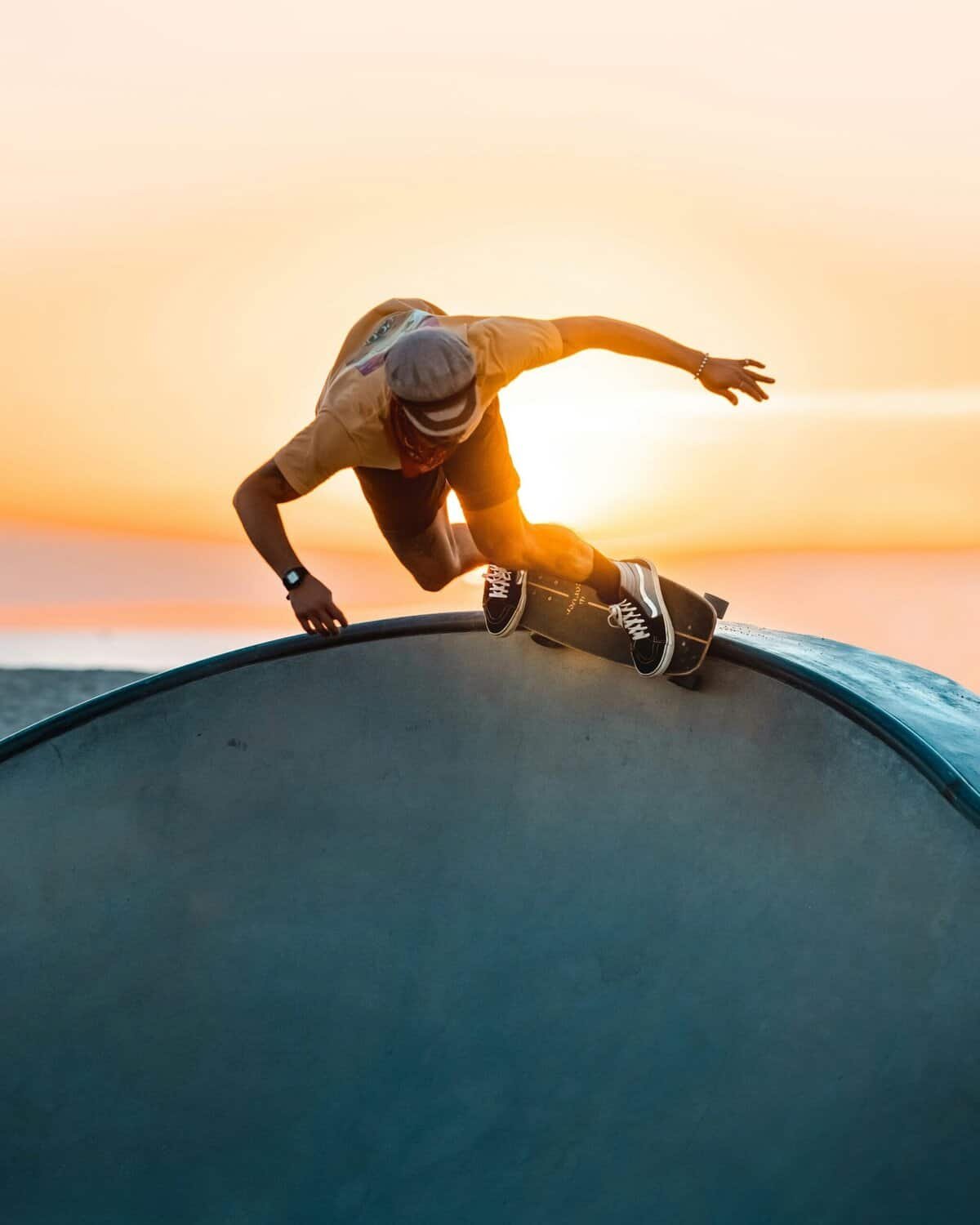
Carving refers to making smooth, controlled turns throughout a transition. This is essential to maintain momentum and navigate the park efficiently.
- Start Wide: Enter turns from the outside, which gives you more room to maneuver.
- Shift Your Weight: Move your weight slightly towards the direction you’re turning. Practice making these turns both tight and wide to see how they affect your speed and control.
Tricks to Get Comfortable with Transition Features
Once you’re comfortable with basic techniques, you can start learning some tricks to enhance your experience and style in the skatepark.
Tail Drops and Dropping In
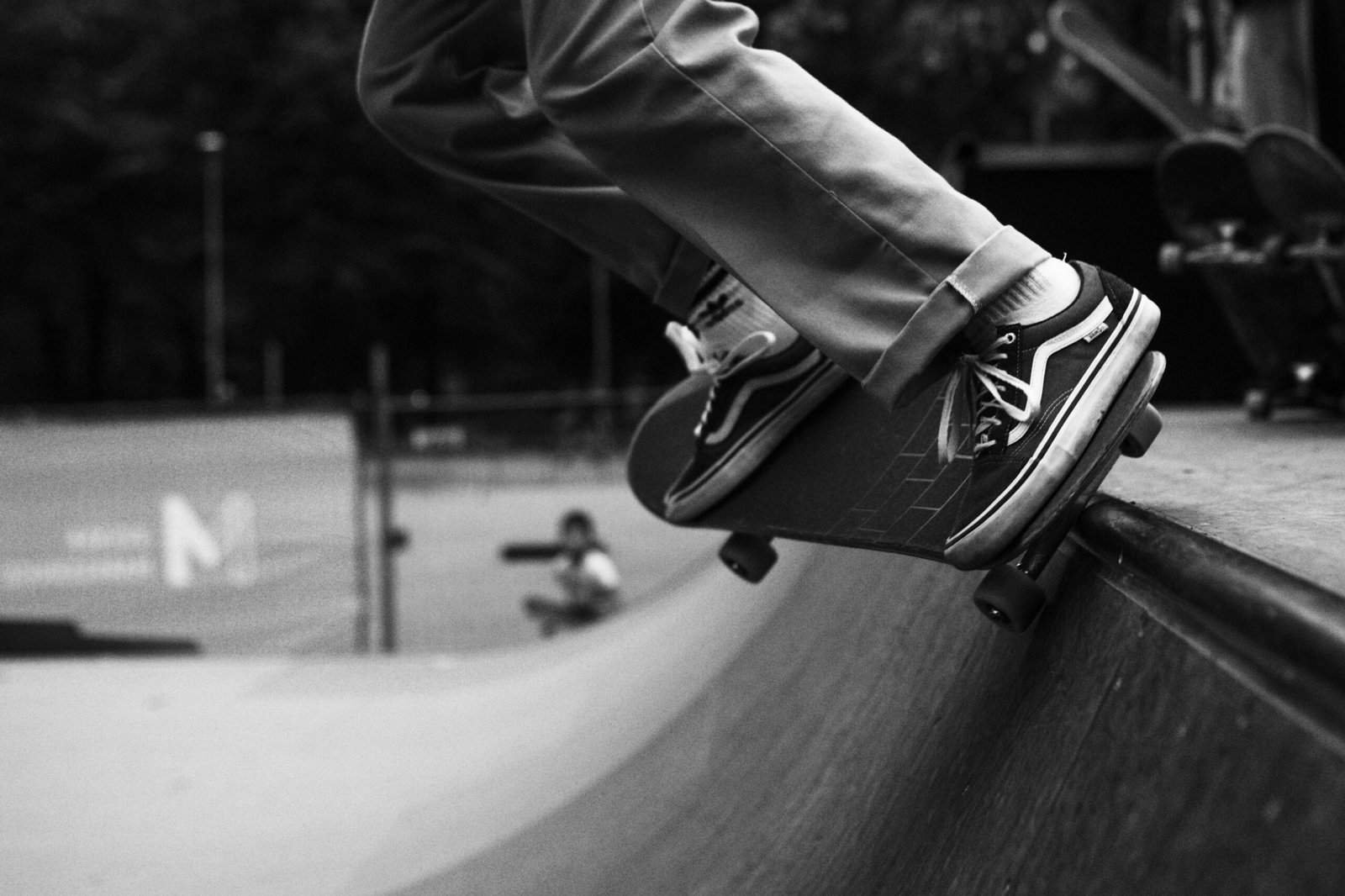
Tail drops and dropping in are fundamental tricks for tackling ramps and bowls. They require you to balance and commit to moving downward into the transition.
- Tail Drops: Stand on the deck, with the tail of your board or bike hanging over the edge. Shift your weight to the front as you lift the other end and roll in.
- Dropping In: Place the front of your board, bike, or scooter on the descending plane, committing your weight forward to move smoothly into the incline.
Air Tricks: Ollies and More
Once confident with your transitions, aerial tricks become an exciting challenge. These tricks require speed and a sense of timing.
- Ollies: Practice hopping with your skateboard over small obstacles. Use the edge of a ramp to learn how to ollie with elevation.
- Aerials: For BMX and scooters, work on jumping off one part of the transition to catch air and land back into the profile smoothly.
Progression Strategies
Improving your skatepark skills requires patience and a plan. By developing a strategy, you allow for systematic growth.
Setting Achievable Goals
Small, incremental goals can lead to big improvements. Set realistic, yet challenging goals each time you practice.
| Goal Example | Difficulty Level | Time to Master |
|---|---|---|
| Balance on Flat | Beginner | 1 week |
| Pumping Technique | Intermediate | 2-3 weeks |
| Drop In | Intermediate | 1-2 weeks |
| Simple Ollie | Intermediate | 3-4 weeks |
| Aerial Trick | Advanced | Varies |
Consistent Practice Routine
Consistency is key in skills improvement. Dedicate regular time each week to practice and stick to this routine.
- Weekly Practice: Aim for at least 3 sessions a week focusing on different skills or tricks each time.
- Warm-Up Exercises: Begin with light stretching to increase flexibility and prevent injury during practice.
Getting Feedback and Learning from Others
Learning from peers can greatly improve your skills. Observing others and receiving feedback allows you to see different techniques and identify areas for improvement.
Skatepark Community and Learning
Immerse yourself in the skatepark community to enhance your learning. By observing and asking others, you gain insights into new tricks and techniques.
- Watch and Learn: Spend some time simply watching more advanced riders tackle transitions.
- Ask for Tips: Don’t hesitate to approach someone for advice or pointers on improving specific skills.
Utilizing Online Resources and Tutorials
The internet is a valuable source of learning if in-person guidance isn’t available. Many tutorials are available for specific tricks and skills.
- Online Videos: Search for videos that break down techniques into manageable steps.
- Forums and Blogs: Engage with online communities dedicated to skateboarding, BMX, or scooter riding to exchange tips.
Overcoming Challenges
Challenges are part of the journey to improving your skills. Learning how to deal with setbacks is crucial in maintaining motivation.
Fear and Intimidation
Fear of falling or failing can sometimes impede progress. Address these emotions with gradual exposure to more difficult transitions.
- Start Small: Conquer smaller ramps before advancing to bigger ones.
- Positive Mindset: Focus on progress made rather than past mistakes.
Physical Fatigue
Fatigue can also affect your performance. Allow adequate rest between sessions for muscle recovery.
- Rest Days: Incorporate rest days into your practice schedule.
- Proper Nutrition: Fuel your body with proper nutrition and hydration to handle physical demands better.
Celebrating Progress
Recognizing and celebrating accomplishments is an integral part of maintaining motivation.
Recording Achievements
Keep track of your progress and whenever you master a new skill.
- Skill Journal: Maintain a journal noting what skills you’ve learned and any milestones reached.
- Video Logging: Record videos of yourself to visually see improvements over time.
Sharing Success
Share your successes with friends or online communities. This can further motivate you and create a supportive environment.
- Social Media Posts: Post about your accomplishments on social media platforms dedicated to your sport.
- Community Celebrations: Celebrate with any local skating clubs or groups when reaching personal goals.
Improving your ability to ride transition and skatepark features is a journey filled with learning and growth. By understanding the structures, selecting the right equipment, building foundational skills, and progressively challenging yourself, you’ll soon find yourself navigating the skatepark with ease and grace. And remember, each ride—whether successful or not—is a step toward becoming a better rider.