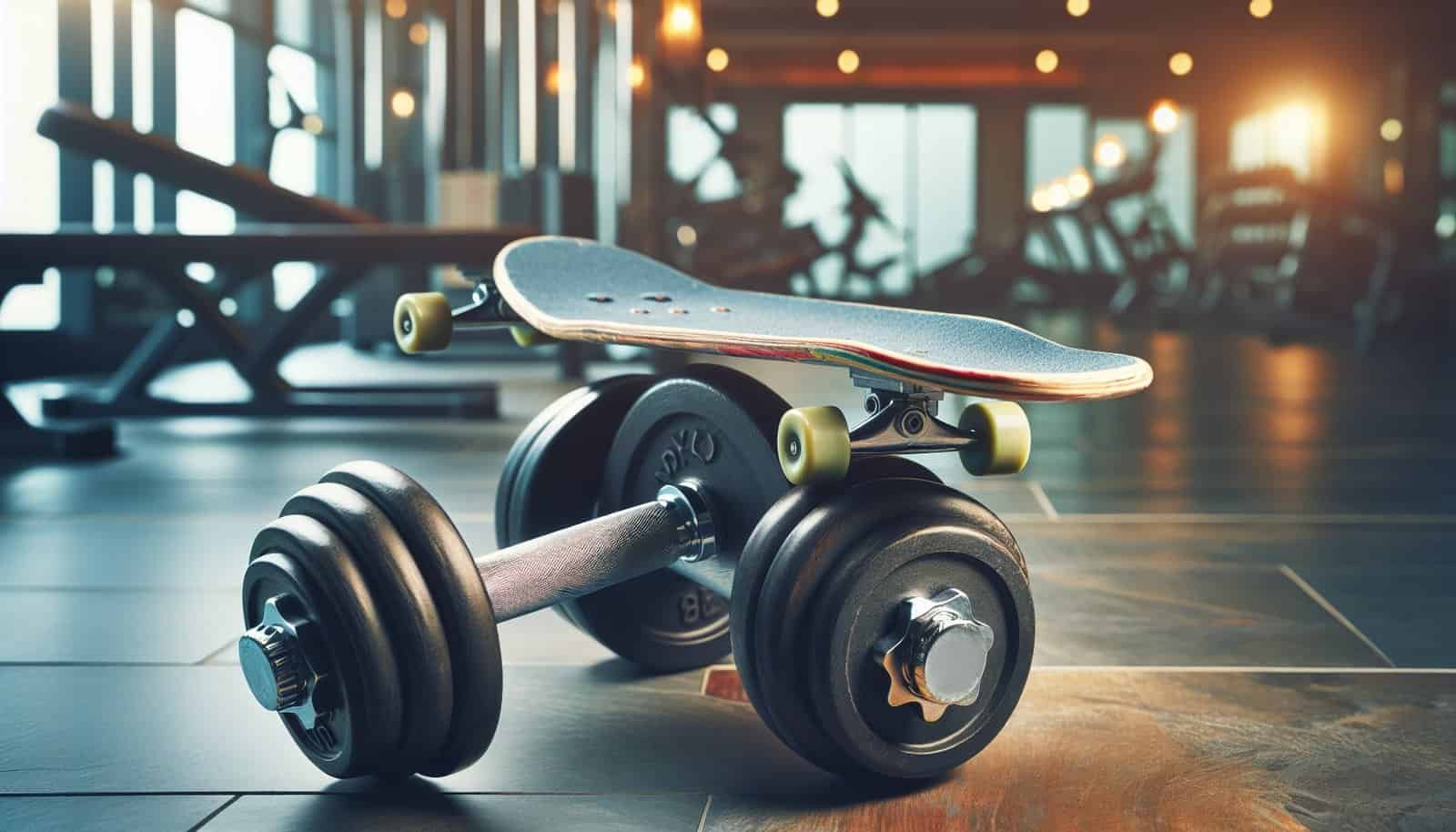
Have you ever thought about how strength training can impact your skateboarding performance? Skateboarding isn’t just an art form; it’s a physically demanding sport that combines balance, agility, and power. To truly excel and reduce the risk of injury, it’s important to strengthen the muscles you use while skateboarding. By incorporating strength training into your routine, you can improve your stability on the board, increase your tricks, and enhance your overall performance.
Understanding the Benefits of Strength Training for Skateboarding
Before jumping into how you can incorporate strength training into your routine, it’s important to understand why it’s beneficial. For skateboarders, strength training can offer several advantages:
- Improved Balance and Stability: Strengthening core and leg muscles helps you maintain better balance on the board, especially when executing tricks.
- Enhanced Trick Execution: More power and control mean better jumps, flips, and landings.
- Injury Prevention: A stronger body can better withstand falls and collisions, reducing common injuries such as sprains and fractures.
- Increased Stamina: Conditioning your muscles allows you to skate longer without tiring, making for longer and more productive practice sessions.
Identifying Key Muscle Groups for Skateboarding
To design an effective strength training program, you need to focus on the muscle groups that are most involved in skateboarding. For skateboarders, the key areas include:
Core Muscles
Your core includes muscles in your abdomen and lower back. A strong core is critical for balance and stability, both of which are essential for performing tricks and maintaining control on the board.
Leg Muscles
The quadriceps, hamstrings, glutes, and calves are all involved in pushing the board, jumping, and landing. Strong legs can enhance your pop and give you the ability to skate longer distances.
Upper Body Muscles
While not as heavily relied upon as the core and legs, the upper body plays a role in balance and movement fluidity. Strengthening your arms, shoulders, and back can contribute to a more harmonious motion and help with pushing and carrying your board.
Flexibility Muscles
Muscles involved in flexibility are also crucial as skateboarding requires a great range of motion. Keeping muscles flexible can aid in performing tricks and reducing the risk of pull or tear injuries.
Structuring a Strength Training Routine
Now that you know why strength training matters and which muscles to focus on, it’s time to put together a routine. Your training can be split into several different types, each targeting different areas and functions of your body.
Compound Exercises for Overall Strength
Compound exercises work multiple muscle groups at once, making them efficient and ideal for building overall strength.
- Squats: Target the quads, hamstrings, glutes, and calves.
- Deadlifts: Engage the entire posterior chain including your back, glutes, hamstrings, and core.
- Bench Press: Strengthen the chest, shoulders, and triceps.
Core-Focused Exercises for Balance
A strong core is essential for skating, particularly for tricks that require balance and rotation.
- Plank Variations: Improve core stability and strength.
- Russian Twists: Enhance rotational strength, useful for spins and turns.
- Hanging Leg Raises: Target the lower abs and help in stabilizing your movements on the board.
Plyometric Exercises for Explosive Power
Plyometrics involve rapid, explosive movements which are beneficial for jumps and trick executions.
- Box Jumps: Boost explosive power in the legs.
- Burpees: Improve overall body strength and cardiovascular fitness.
- Lateral Jumps: Help with agility and side-to-side movements on the board.
Flexibility and Mobility Exercises
Increasing your flexibility not only helps with executing tricks known for requiring wide ranges of motion but also aids in injury prevention.
- Dynamic Stretching: Focus on movements that stretch muscles actively, preparing them for skateboarding.
- Yoga or Pilates: Incorporate classes or guided sessions to enhance overall flexibility and body awareness.
Designing Your Weekly Training Schedule
With these exercises in mind, you can design a weekly strength training schedule that complements your skateboarding practice. Here’s a recommended structure:
| Day | Focus | Exercises |
|---|---|---|
| Monday | Lower Body & Core | Squats, Lunges, Planks, Russian Twists |
| Tuesday | Upper Body | Push-Ups, Pull-Ups, Dumbbell Shoulder Press |
| Wednesday | Rest or Light Activity | Walking, Stretching, or Light Yoga |
| Thursday | Plyometrics & Core | Box Jumps, Burpees, Hanging Leg Raises |
| Friday | Full Body | Deadlifts, Bench Press, Lateral Jumps |
| Saturday | Active Recovery | Longer Skate Session with Focus on Skills |
| Sunday | Rest or Yoga/Pilates | Focus on Flexibility and Mobility work |

Fitting Strength Training into Your Skateboarding Routine
Incorporating strength training doesn’t mean sacrificing skateboarding time. Instead, see it as an enhancement to your skating. Here are some tips:
Short, Intense Sessions
Opt for shorter, more intense strength training sessions (30-45 minutes) to boost endurance without exhausting yourself. This leaves you plenty of time and energy to practice skateboarding.
Prioritize Quality Over Quantity
Focus on executing exercises with proper form and control rather than overloading with heavy weights. This reduces the risk of injury and ensures you’re building functional strength that translates to better skateboarding performance.
Listen to Your Body
Rest and recovery are key components of any training routine. Pay attention to your body’s signals. It’s important to take rest days and ensure you’re not overtraining, especially before big skate sessions or competitions.
Balance Training with Fun
Remember that skateboarding is about expressing creativity and having fun. Mix your strength training with regular skate sessions to maintain the joy and spontaneity that comes with skating.
Complementary Nutrition for Strength Training and Skateboarding
Proper nutrition plays a crucial role in supporting your strength and skateboarding performance. Eating a well-balanced diet ensures you have the energy needed to train effectively and recover efficiently.
Focus on Protein
Protein is essential for muscle repair and growth. Ensure you consume enough protein daily to support your strength training efforts. Sources include lean meats, eggs, dairy, and plant-based options like beans and lentils.
Incorporate Healthy Carbs
Carbohydrates are your body’s primary energy source, crucial for sustaining energy during skateboarding sessions. Opt for whole grains, fruits, and vegetables to fuel your body.
Hydration is Key
Staying hydrated is important for both performance and recovery. Keep a water bottle handy and consider electrolytes during extended or intense skate sessions.
Don’t Forget Healthy Fats
Fats are essential for hormone production and absorption of certain vitamins. Include sources such as avocados, nuts, and olive oil in your diet.

Measuring Progress and Adjusting Your Routine
Tracking your progress is essential to maintaining motivation and making necessary adjustments to your routine. Here’s how you can keep tabs on your advancements:
Set Realistic Goals
Define what you want to achieve with your strength training. Whether it’s improving a specific trick, building more power in jumps, or reducing injury risk, clear goals will keep you focused.
Monitor Performance
Keep a log of your training sessions, noting down the exercises you perform, the weights used, and any other details such as how you felt during the workout. Similarly, track your skateboarding sessions to see how your training is impacting your skate performance.
Celebrate Small Wins
Celebrate improvements, no matter how small. Whether it’s lifting heavier weights or nailing a trick that felt impossible before, recognition of progress keeps you motivated.
Adjust as Needed
As your strength and skills improve, modify your routine to keep pushing your limits. Increase weights, add more repetitions, or switch up exercises to keep challenging your body.
Conclusion
By integrating strength training into your skateboarding routine, you’re setting yourself up for enhanced performance, reduced injury risk, and a greater overall skating experience. Start with a focus on core, leg, and flexibility exercises and gradually build a personalized strength routine that works for you. Remember, the aim isn’t just to become stronger but to become a more skillful and resilient skateboarder. Embrace the process, stay consistent, and enjoy the ride!