
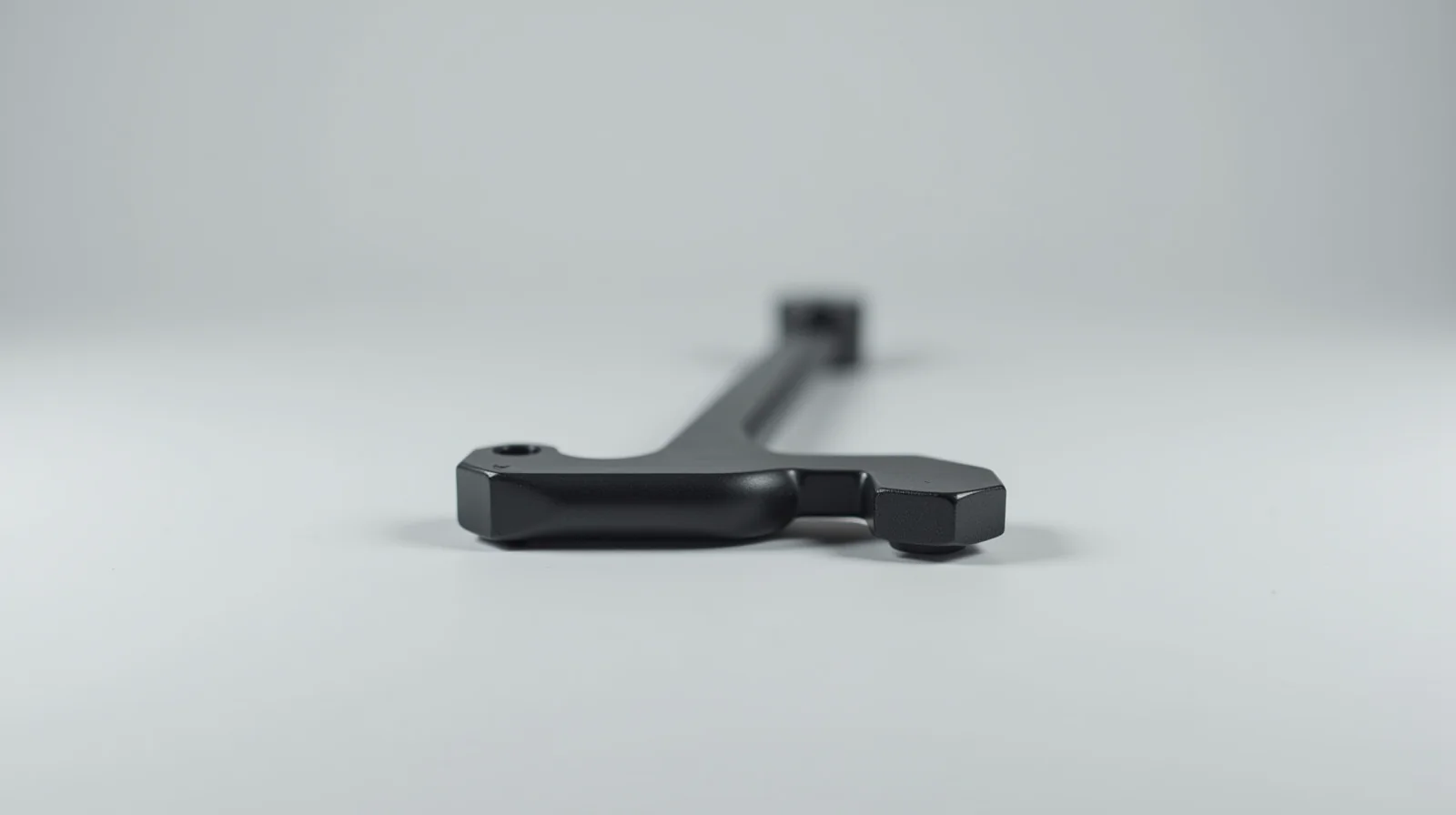
A skateboard tool is the small L- or T-shaped hex key that lives on your board and lets you tighten your trucks, swap your wheels, and adjust your kingpin tension in the middle of a session. It is one of the cheapest and most overlooked pieces of skate gear, and it is the one beginners are least likely to use correctly. After testing setups and tightening trucks through a decade of coached sessions, I have found that almost every stripped screw, loose wheel, and over-tightened kingpin I see traces back to one thing: the skater never learned how the tool actually works.
This 2026 skateboard tool guide covers the three sizes on a standard tool, exactly how to use each one, how to tighten trucks without stripping anything, how to change wheels and bearings, and which skateboard tool is worth carrying. If you are still reaching for a random Allen key from a toolbox, the difference is real, and by the end you will know why.
By Mia Torres, Skate Gear Reviewer
Mia has spent 7 years testing skateboards and protective gear, covering everything from beginner setups to advanced street rigs.
Published: November 7, 2026 • Last updated: November 7, 2026
What Is a Skateboard Tool?
A skateboard tool, often called a skate tool or an L-tool, is a compact hex wrench designed to fit the two nuts on a skateboard truck: the kingpin nut on top of the hanger and the axle nut that holds each wheel on the outside of the board. Most come as a single bent piece of alloy steel shaped like an L, a T, or a small wrench. On a freshly assembled board the tool is often tucked under the grip tape or on a string, and most skaters keep it in their back pocket or velcroed to the deck.
The job it does is narrow but constant. You will reach for it to do three things:
- Tighten the kingpin nut so the truck has the right amount of turn
- Tighten or loosen the axle nuts so the wheels spin freely without wobbling
- Swap wheels and bearings when they wear out or get dirty
Unlike a car wrench, a skate tool is sized for the small, lightweight hardware on a skateboard, which is why a regular Allen key often does not fit cleanly. Getting comfortable with these three jobs is the difference between a board that holds together and one that rattles apart over a weekend of sessions.
The Three Key Sizes on Every Skateboard Tool
A standard skateboard tool is not just one size. Most tools you buy with a board carry one or two hex sizes, and the reason is that a truck uses two different nuts. Here are the sizes you will meet and what each one fits.
| Hex size | Metric / imperial | What it fits on a skateboard |
|---|---|---|
| 8 mm | 3/8 in | Kingpin nut (top of truck) and most wheel / axle nuts |
| 5 mm | ~7/32 in | Wheel and axle nuts on smaller and longboard trucks |
| 6 mm | ~1/4 in | Wheel and axle nuts on some mid-size street trucks |
| 13 mm | 1/2 in | Kingpin nut on some longboard and vertical trucks |
The 8 mm size is the workhorse. On the vast majority of street trucks the 8 mm end fits both the kingpin nut on top and the axle nuts on the outside of the wheels, which is why so many basic tools have two 8 mm ends, or one 8 mm end plus a smaller one. Smaller trucks, longboards, and some vertical trucks step down to 5 mm or 6 mm axle nuts, and a few longboard and vert trucks use a larger 13 mm kingpin. If a tool does not turn a nut smoothly, you are on the wrong end, not holding a broken truck.
Skateboard Tool vs. Allen Key vs. Pro Multi-Tool
Because a skate tool is really just a hex wrench, you might wonder whether you even need one. You do, and here is the honest comparison I give beginners. A loose Allen key from a toolbox can work in a pinch, but the ends are long and rounded out, they do not stay on the board, and the wrong length can bend on the small axle nuts. A branded skate tool is sized, balanced, and shaped for the job and has a lanyard hole so it stays with you. A pro multi-tool packs several hex sizes into one pocketable piece, which is ideal if you ride more than one board or travel.
| Type | What you get | Typical price | Best for |
|---|---|---|---|
| Basic L-tool | One 8 mm end, sometimes a second 5 mm | $5–$12 | Everyday tightening on one board |
| Branded single tool | Branded 8 / 5 mm tool with a lanyard hole | $12–$25 | A durable everyday carry for street skaters |
| Pro multi-tool | Three to five hex sizes in one piece, some add a flat driver | $15–$40 | Riding several boards or travelling |
For a single street board, a basic or branded 8 mm tool is all you need. Step up to a multi-tool only if you ride multiple setups or want one piece of gear that travels with you. The price difference between a basic tool and a good multi-tool is small, but the convenience of having the right size on hand every time adds up over a season.
How to Use a Skateboard Tool to Tighten Your Trucks
Tightening your trucks is the most common use of the tool and the one where mistakes happen most. Follow these steps the first time and it becomes muscle memory.
- Start with the board flat on the ground or on a soft surface, grip tape facing up.
- Put the 8 mm end of the tool onto the kingpin nut on top of the hanger, the tall nut between the hanger and the baseplate.
- Turn it clockwise by about a quarter to half a turn. You want the truck firm, not clamped shut. If you cannot turn the truck by hand with some effort, you have gone too far.
- Test the turn by rocking the board side to side. A good street setup lets the truck lean with light pressure and resist hard pressure.
- Repeat on the other truck so both sides feel the same.
The rule I teach is to tighten until the truck resists by hand but still moves under a firm push. A kingpin that is too tight makes the board feel dead and hard to carve, while one that is too loose lets the truck rattle and makes the board unstable. From a decade of coaching, the fastest way to set tension is to match the feel you want to a real-world cue: firm and holding for freestyle and technical street, looser and flowing for carving and transition, and a quarter turn tighter whenever a board feels wobbly at speed. Do not chase a specific number of turns, because every truck, bushing, and weight combination is different, and the correct setting is the one that feels stable to you.
How to Swap Wheels and Bearings With Your Tool
Swapping wheels is the second most common job, and it is where a loose tool strips axle nuts. Here is the sequence I use on every board.
- Flip the board over on a soft surface so the wheels face up.
- Put the 8 mm end on the axle nut on the outside of the wheel and turn it counter-clockwise to loosen. Back it off by two or three full turns; you do not need to remove it completely.
- Pull the wheel straight off the end of the axle. If it sticks, wiggle it gently side to side; never pry it with the tool.
- If you are replacing the bearing, push it out of the wheel with a bearing puller or the end of a second wheel, then slide the new one in with the shield facing the outside.
- Push the wheel back onto the axle and hand-tighten the nut, then give it a light turn with the tool. Stop when the wheel spins freely with no side-to-side play.
The most common mistake is overtightening the axle nut, which puts pressure on the bearing and makes the wheel spin with a drag and a hum. A healthy wheel should keep spinning for several seconds after a push. If it does not, back the nut off a little. For the exact torque range and which screw to back off first, our skateboard screws guide covers sizes and tightening order in detail.
Adjusting Kingpin Tension With Your Skate Tool
Kingpin adjustment is really just controlled tightening, so your skateboard tool is the whole job. Turn the top nut clockwise to tighten and make the truck stiffer, and counter-clockwise to loosen and let it turn faster.
Make small changes, about a quarter turn at a time, and test between each one. The difference between a truck that is a quarter turn too loose and one that is right is the difference between a board that kicks out under a manual and a board that holds. When you are done, the nut should sit close to the hanger without being forced down by the tool, and both trucks on the board should feel the same. If one truck feels different from the other after you tighten, it is almost always a bushing issue rather than a tool issue, and that is a conversation for our how to adjust skateboard trucks guide, which breaks down each tension level for carving versus technical street.
Best Skateboard Tools in 2026
Because a skate tool is simple hardware, the difference between options comes down to material, size coverage, and whether it stays with your board. Here is how I break it down for 2026, with price ranges and where to find them. There are no affiliate links here, just the options I would actually carry.
- Basic L-tool. A single 8 mm end, sometimes with a 5 mm end, in plain alloy. This is the tool that ships with most complete boards. It is enough for one board and everyday tightening. You will find one at any skate shop or general retailer. Price range: $5 to $12.
- Branded single tool. A machined 8 mm and 5 mm tool from a skate brand, usually with a lanyard hole and a cleaner finish. It is more durable and stays on a string or a velcro strip. You will find these at specialty skate shops and the brand stores themselves. Price range: $12 to $25.
- Pro multi-tool. A compact tool with three to five hex sizes, some adding a flat driver or a small screwdriver. This is the tool to carry if you ride more than one board or travel a lot. Available at skate specialty shops and online skate retailers. Price range: $15 to $40.
My pick for most skaters is a branded 8 mm and 5 mm single tool with a lanyard hole. It covers the vast majority of street boards, it is light, and it stays attached to your board so it never disappears into a bag. If you ride a longboard or a second setup, move up to a multi-tool so you have the smaller and larger sizes on hand.
Skate Tool Care and What to Do About Stripped Screws
A skateboard tool lasts for years if you treat it well. The three things that ruin tools and the hardware they turn are worth knowing before you strip your first nut.
- Using the wrong size. A 5 mm end in an 8 mm nut rounds the corners and strips the screw. Always seat the tool fully in the nut before applying force.
- Overtightening with a lever. Wrapping tape around the tool for extra length multiplies the force and is the number one cause of stripped axle nuts. You do not need it.
- Dropping it on concrete. A dented end no longer seats cleanly and slips, which then rounds the screw it is trying to turn.
If a screw is already rounded, stop forcing it. A slightly larger, well-seated hex bit or a light spray of penetrating oil can save a nut, and a stripped axle nut is a quick replacement part rather than a trip to a shop. Keep the tool clean and dry, and check the ends occasionally for rounding. A tool that seats cleanly turns hardware cleanly, and that is the whole game.
How Often Should You Tighten Your Skateboard?
There is no fixed schedule, but there are clear cues. I check a board I ride daily once a week and any board that rides less often right before a session. The signs that tell you it is time are simple to read.
- The board makes a rattling noise over small bumps and cracks.
- A truck leans more on one side than the other.
- A wheel wobbles or has side-to-side play when you grab it.
- You feel the truck kick out under a manual or a hard turn.
When you tighten, do all four axle nuts and both kingpin nuts in one pass, and re-check the kingpin tension while you are there. A two-minute check before a session has saved more sessions than any piece of gear on the board, and it is the single best habit a new skater can build. For the bigger picture on keeping your board in good shape, our how to assemble a skateboard guide covers the full build and care routine.
Skateboard Tool FAQ
What is the L-shaped thing attached to my skateboard?
That is the skateboard tool, a hex wrench sized to fit your truck nuts. The bend is just to give you two ends at different angles. Keep it on a string or in your pocket; you will use it far more often than you might expect.
What size hex key does a skateboard use?
Almost every street skateboard uses an 8 mm (3/8 inch) end for both the kingpin and the wheel nuts. Some smaller and longboard trucks drop to 5 mm or 6 mm for the axle nuts, and a few longboard and vert trucks use a 13 mm kingpin. If in doubt, an 8 mm end is your first try.
How tight should skateboard trucks be?
Firm enough that the truck resists a firm push by hand, loose enough that it still leans under light pressure. Tighten a quarter turn at a time and test by rocking the board. Too tight feels dead, too loose feels wobbly.
Can I use a regular Allen key or wrench instead of a skate tool?
You can in a pinch, but a skate tool is sized and balanced for the job and stays on your board. A loose Allen key is longer, can bend on the small axle nuts, and is easy to lose. For regular use, a dedicated skate tool is worth the small cost.
How often should I tighten my skateboard?
Check a daily-riding board about once a week, and any board before a session if it rattles, leans, or a wheel wobbles. A quick two-minute pass over the four axle nuts and both kingpin nuts is all it takes.
Final Thoughts
A skateboard tool is small, cheap, and the piece of gear that keeps everything else on the board working. Learn the three sizes, tighten your trucks to the point where they resist but still move, and keep a clean 8 mm end seated in every nut you turn. Do that and your board will feel better, last longer, and stay together through every session. For a full starting setup, pair this with our how to choose your first skateboard guide and the essential safety gear checklist so your whole board is ready from day one.
Sources
- RIDE Skateboards and Hardware — manufacturer spec pages for trucks, kingpins, and tools: rider.com
- Indy Trucks — truck and hardware specifications: indytrucks.com
- BONES — bearings and wheel hardware standards: boneswheels.com
See Also
- How to Assemble a Skateboard: Complete Setup Guide — the full build from raw parts, with the tool in its proper place.
- Skateboard Screws: Sizes, Torque and Tightening Guide — every screw size on the board and the correct tightening order.
- How to Adjust Skateboard Trucks: Kingpin Tension Guide — each tension level explained for carving versus technical street.
- How to Choose Your First Skateboard: Complete Buyer’s Guide — the complete starter setup from deck to wheels.
#SkateboardTool #SkateTool #Skateboarding #HowToUseASkateboardTool #TruckTightening #WheelSwap #Kingpin #SkateGear #Skateboarding2026 #StreetSkating #SkateMaintenance #HexKey #SkateboardSetup #LearnSkateboarding #SkateLife
This guide is part of the ska8 daily series. Explore more below.