
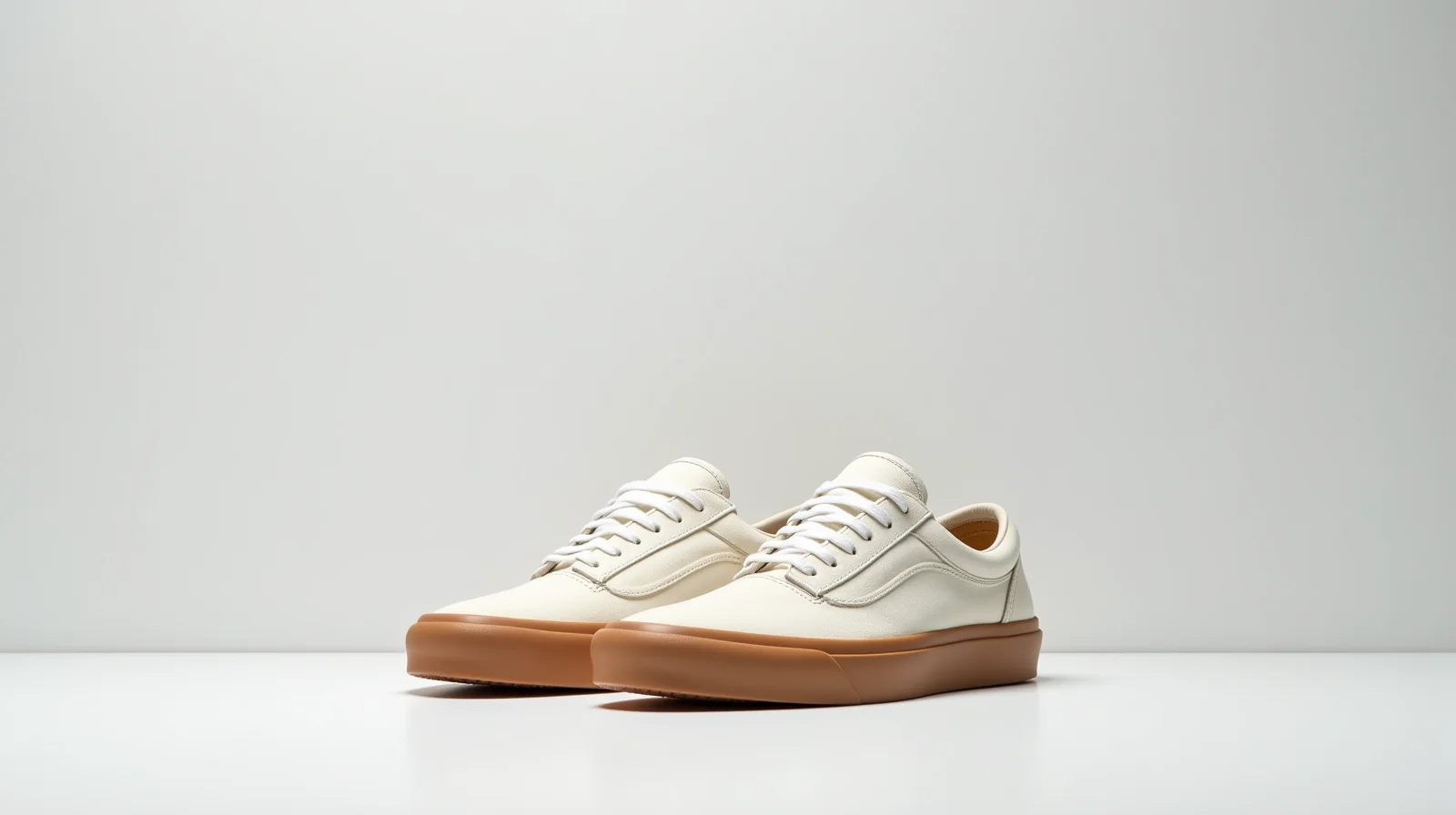
Skateboard shoes are the cheapest part of your setup and the piece of gear with the most impact on how you ride. Every ollie, every grind, every time your foot slides off the tail, the shoe in question is the one between your foot and the grip tape. In my ten years of coaching street and park skaters, the single most common mistake I see is beginners buying shoes that look skate-style without actually being built to skate. A puffy sneaker with a raised sole will not protect your feet, will not stick to the deck, and will quietly teach you bad foot placement habits that are painful to undo.
This guide covers the full picture for 2026: what actually makes a shoe a skateboard shoe, the vulcanized-versus-cupsole platform decision that matters more than brand, how to get the fit right, the best options in each price range based on the shoes we have ridden and tested, and the care habits that double the life of a pair. No affiliate links, no sponsor plugs — just the same advice I give new students, in writing.
By Tyler Brooks, Skateboarding Coach
Tyler has coached skateboarders for 10 years and has tested trucks, wheels, and protective gear on real street and park sessions. He leads skill development and safety coverage.
Published: August 20, 2026
What Makes a Shoe an Actual Skateboard Shoe
Before you compare brands, it helps to know the four engineering features that separate a real skate shoe from a lifestyle sneaker that happens to look the part.
Flat, thin outsole
A true skate shoe has a flat outsole that contacts the ground evenly, with minimal thickness under the heel. That low profile is what skaters call “board feel” — the ability to sense where the deck is under your feet, feel when an ollie pops, and know instantly when your front foot is drifting off during a grind. A lifestyle sneaker with a 20-millimeter midsole puts a wall of foam between your foot and the grip tape. Every trick becomes less precise because you are fighting the cushion instead of feeling through it.
Reinforced sole edge
Look at the top edge of the outsole, where the rubber meets the upper. On skate shoes that band is reinforced — brands call it foxing, stitching, or wrap — because that is the edge that takes the abuse when you ollie, when your shoe scuffs the ledge, and when the tail strikes the ground. A consumer sneaker has soft rubber there, and it will peel back within a few weeks of real skating.
Wear-resistant upper
Suede is the standard upper material for a reason: it is dense enough to survive years of board contact while staying flexible. Canvas is lighter and cheaper but wears faster at the high-abrasion points (toe box, side edges). Full rubber or leather uppers exist mostly on the skate-park and vert side where durability is everything and weight barely matters.
Flat internal insole
Skate insoles are thin and firm. Most pairs come with them removed or barely present, which is part of why beginners find skate shoes surprisingly flat — and why most skaters never add anything because the deck itself is the platform. Check the insole thickness when you fit a new pair, because a half-inch of cushion under your arch is functionally the same as a thick midsole: it disconnects you from the board.
Coach’s note: the “flat sole test”
Before you buy any shoe you are not sure about, flatten your palm against the stacked height of the outsole heel. If the total height from ground to first stitch exceeds roughly one centimeter past the grip-tape surface of a standard deck, it is not going to give you board feel. Real skate pairs measure a few millimeters in the heel region; lifestyle sneakers measure a centimeter or more.
Vulcanized vs Cupsole: The Platform Decision That Matters More Than Brand
Every modern skate shoe sits on one of two sole constructions, and choosing between them matters more than the logo on the tongue. The same shoe model can feel completely different depending on which one you buy.
Vulcanized soles
In vulcanized construction, the rubber outsole is pressed and bonded to the upper in a single curing process. The result is a flexible, responsive sole that bends with your foot. That flexibility is exactly what you want for street skating, trick skating, and anything that involves flipping, sliding, or landing on the feet. Vulcanized pairs also tend to be lighter, and the thin profile maximizes board feel.
Cupsole construction
A cupsole is a rigid rubber shell that wraps around the underside of the shoe, then the upper is stitched into it. The sole is noticeably thicker and stiffer. The trade: cupsoles take the punishment of high-impact landings and vert-style riding far better than vulc soles, which is why they dominate the parks, halfpipe, and street-bruising communities. The cost is responsiveness — you sacrifice some board feel and most of the flex in exchange for a sole that will not delaminate after a season of hard landings.
| Feature | Vulcanized sole | Cupsole |
|---|---|---|
| Board feel | Excellent — thin, flexible profile | Moderate — thicker, stiffer stack |
| Wear resistance | Good; edges can delaminate after heavy abuse | Very good; shell resists delamination |
| Weight | Lighter | Heavier |
| Best for | Street, tricks, flatground, beginners | Parks, halfpipe, vert, heavy landings |
| Typical price band | $60–$150 | $80–$200 |
Price bands reflect typical 2026 retail ranges observed across brand stores and local skate shops; specific pairs move with colorway and release timing.
For a first or second pair, we recommend vulcanized. It will let you learn foot placement on the board correctly, and the flexibility helps with ollie mechanics and landing absorption. Move to a cupsole once your landings are consistently hard and your vulc pairs are starting to delaminate at the heel within a month of skating. That is the signal, not the other way around.
How to Choose Skateboard Shoe Size and Fit
Fit is the most common source of pain in skate shoes, and the advice is more specific than “size down a half.” Here is the exact fitting method I use with students, which you can do at home in about ten minutes.
The sizing-down problem
Skateboard shoes run smaller than standard running shoes by design: a snug fit keeps your foot from sliding when you pop, and it reduces the space where a bone bruise can form from repeated tail strikes. Most skaters deliberately buy half a size down from their running-shoe size. But sizing down is not universal — wide feet, high insteps, and some regional last shapes mean that for some people a snug true-to-size shoe fits better than a forced half down.
Step-by-step fitting method
- Try them on with skating socks or thin no-show socks, not thick athletic socks. The padding difference changes the fit noticeably, and most skaters wear minimal socks.
- Wear the shoes around your house for 30–60 minutes. Walk, bend at the ankle, point your toes down. This surface-breaks the shoe slightly and reveals pressure points that a 30-second fitting in a store will miss.
- Check the toe box. Your toes should feel contained but not crushed. If the big toe is pressing hard into the front wall with the shoe on a flat surface, size up — not more toe room, you need a different last for your foot shape.
- Check the heel lock. Lace the top two eyelets tight and stand on one foot. If your heel lifts out of the cup when you raise your toe, that shoe will slip off during ollies. A properly locked heel should stay put when you point your foot down.
- Do the wet test. Spray the inside slightly with water, wear for another 15 minutes, and note where the dampness lingers after you take them off. Moisture that pools at the heel or arch indicates your foot is sliding inside the shoe, which is the exact mechanism behind most ankle and heel blisters.
- Compare two sizes if it is close. Buy half-size-up and true-size, skate both for a week in light sessions, and keep the one that locked in faster. This is the cheapest insurance against a $120 mistake.
Fit red flag most people miss
A shoe that feels “comfortable brand new” with an open toe box is usually the wrong size for skating. You want containment, not comfort, in the toe region — the heel and midfoot are where comfort should live. If the toes have room to slide forward when you flex your foot, your ankle is doing the work the laces should be doing.
Upper Materials: Suede, Canvas, and What Else Exists
Most skate uppers are made from one of two materials, and the choice is mostly about weight and wear. Both are fine for beginners; the deciding factor is how aggressively you plan to skate.
Suede
Suede is the default for a reason. It is dense enough to withstand years of repeated contact with grip tape, truck hardware, and concrete, while staying flexible when wet or worn. Full-grain suede uppers on mid- to higher-tier pairs will still look decent after a season of daily skating. The one downside: suede absorbs water, so a heavy rain soak will darken the color unless you treat it with a suede protector spray, and it will need to dry slowly out of direct sun.
Canvas
Canvas uppers are lighter and cheaper, and they dry quickly. They are a reasonable budget choice that will get a beginner through their first year of learning. The trade is durability — canvas wears through at the high-abrasion points (toe box, the side that rubs against the board) faster than suede. If you are skating 3+ days a week, expect canvas to start showing thin spots after six to twelve months, while a comparable suede pair should hold for two years.
Leather and synthetic alternatives
Full leather uppers appear in more premium and specialty pairs, especially in vert and park shoes where the thicker material holds shape under hard landings. Some modern pairs blend synthetic panels at the collar and heel for water resistance without the full weight of leather. For most street and trick skaters, suede or canvas is the right call; save leather for when your riding style has clearly moved toward park or vert.
Best Skateboard Shoes for Beginners in 2026
Below are the pairs I actually recommend to new students, organized by use case rather than by brand, with 2026 retail price bands. I list brand names as plain text because this site does not carry affiliate links — you can find any of these at a local skate shop, a brand’s own store, or a major online retailer. What matters is the shoe, not the store.
Best all-around street pair (first pair)
For a first pair used on flatground, curbs, and a little ledge work, the classic low-profile vulc with a suede upper and reinforced foxing is the category leader. Vans Old Skool and Vans Era both land here in 2026, in the $65–$85 range, and both have the flat sole and dense upper a beginner needs. Etnies Marina and Etnies Jameson are the same category at a similar price, with the Marina slightly narrower in the toe. Osiris Prolim and Osiris A3 sit in the same tier and are often the lightest option, which skaters with wider feet often prefer. All four pairs give you vulc soles, suede or canvas uppers, and the sole-edge reinforcement that separates a skate shoe from a lifestyle lookalike.
Best for learning tricks and flatground
If your first year is primarily flatground — ollies, kickflips, manual pads, flat rails — prioritize the thinnest vulc sole you can find in a pair that fits your foot. The Etnies Jameson and DVS Malbon both have very low heel stacks and are well loved by flatground-focused skaters. A thin sole here is not a gimmick; it is the difference between feeling the tail under your back foot and guessing where it is.
Best for park and bowl skating
Park skaters take hard landings from quarter pipes and hips, and the sole has to survive. Look for a cupsole pair with a reinforced midfoot. Emerica Pro Model, Lakai Fury, and Nike SB Stefan pairs are the names that keep coming up in park-skater recommendations in 2026, typically in the $110–$180 range. If you are primarily a bowl rider, this is the category you actually belong in rather than the street category above.
Best budget option under $70
Canvas versions of the classic silhouettes (Vans Era canvas, Osiris A3 canvas, DC Cavus) regularly sell below $70 and are perfectly serviceable for a first season of learning. The canvas will wear through at the toe before the suede sibling at the same price band, but for a beginner still figuring out their foot placement, the material is not the limiting factor — the fit is. Buy the canvas, prioritize the fit method above, and upgrade to suede once you know you will still be skating in a year.
Pro tip we keep repeating
A local skate shop will size you correctly in ten minutes, and in many cities they will return or exchange a pair that does not fit after a week of skating — policies that national retailers will not match. Buy shoes in person when you can, even if the selection is smaller, and check the shop’s exchange policy before you hand over a card.
Size-Down vs Size-Up: What Coaching Tells Me
The “size down a half” rule gets quoted in every shoe guide, and it is true for a wide majority of skaters — but I want to be precise about when it applies and when it does not, because buying half-small on the wrong foot shape is a different injury from buying too big.
Size down when: you have a normal or slightly narrow foot; your running shoes have a comfortable half-inch of toe room; and you want heel lock for ollies. This is the default starting point for most students.
Do not size down when: you have a flat foot with a high arch-adjacent bunion; you are wearing a wide-last shoe; or your toes were already touching the front wall of a true-size pair. In those cases, true-to-size with a snug lacing job is the correct answer, and forcing a half-small will create a toe-crush that will make you stop popping with your front foot — a quietly expensive habit to unlearn.
The honest answer I give students: when in doubt between two sizes, buy both, skate one for a week, and return the other. This costs nothing at a local shop with a good return window and prevents the most common shoe mistake I see in year one of skating.
Breaking In and Caring for Skate Shoes
Skate shoes do not need the “break-in period” that running shoes do, but they do need a short shaping period and a consistent care habit to last.
Shaping period
For the first ten to fifteen sessions, the upper will be at its stiffest. Suede in particular benefits from repeated flexing — bend each shoe by hand between sessions, wear them for normal walking, and resist the temptation to laces-lock them tight every single time. A pair that has been flexed, walked in, and lightly scuffed will feel dramatically softer and more responsive than a brand-new pair straight off the shelf, even at the same size.
Cleaning
For suede: a dry suede brush after each session, then a soft damp cloth for scuff marks, and a suede protector spray re-applied about every two months of regular skating. For canvas: a soft-bristle brush with a little dish soap and cold water, then air drying away from direct sun. Avoid machine washing either material — the heat and agitation break the stitching and glue bonds faster than scuffing will.
Drying
If a pair gets soaked, pull the insoles out (most have them), stuff the toe box with dry paper towels to draw moisture, and let them air dry slowly. Do not put wet skate shoes in a dryer or against a radiator: the heat shrinks the upper and weakens the foxing, and both failures show up as premature delamination at the heel edge — the exact spot that has to survive your landings.
Skate Shoes vs Surf Shoes: A Common Confusion
Surf-adjacent brands make skate-style shoes, and skaters sometimes grab them for price or availability. The difference is in the sole: true surf or beach-adjacent sneakers are built for wet traction on slick surfaces, so the outsole patterns and foam stacks are optimized for grip on a slicked board, not for flat board feel on grip tape. The result is a noticeably thicker, softer midsole that does not give you the same board feel as a purpose-built skate vulc or cupsole. If a shoe is marketed primarily for surfing or beach wear, it is almost certainly the wrong tool for street skating, however similar the silhouette looks.
How Long Do Skateboard Shoes Actually Last?
Here is the realistic wear timeline I see across students, in 2026 retail terms, assuming 3–5 days of skating per week:
- Canvas uppers: expect visible thinning at the toe box and side edges after six to twelve months. The sole will usually outlast the canvas on a first pair.
- Suede uppers: typically two years of regular use before the upper starts to show real wear, with the foxing line at the heel edge being the first structural point to weaken.
- Vulc soles: delamination at the heel edge is the classic end-of-life sign, usually within eighteen to thirty months of heavy use.
- Cupsole soles: generally outlast the upper, with the shell holding up for a full season or more of park-style landings before the midfoot stitching becomes the weak point.
The practical rule: when the foxing or heel edge is visibly peeling, or when you can see the deck through a thin spot in the upper, the pair has served its purpose. Worn-through leather or suede at the heel is where most ankle sprains in beginners begin — the shoe is no longer holding your foot in the landing position, and your ankle is taking the load it should not be taking.
When the shoe is the injury’s fault
Recurring heel or ankle bruises with no change in technique usually points at the shoe, not the skater: too much toe room (heel lift on landing), a worn foxing edge (unstable heel), or a midsole that has compressed (loss of board feel). Re-fit before you blame your technique.
Skate Shoe FAQ
Should I size down for my first skate shoes?
For most first-time buyers, yes — half a size down from your running-shoe size is the right starting point, because the snug fit keeps your heel from lifting when you ollie and prevents the internal foot slide that causes ankle and heel blisters. If you have a wide foot, a high instep, or a bunion, true-to-size in a wide-last pair is the better answer. When you are genuinely unsure between two sizes, buy both, skate one for a week, and return the other at a local shop with a reasonable exchange policy.
Are expensive skate shoes actually better for a beginner?
Not for learning. A $70 canvas pair from a major brand will teach you everything a $180 pair can, because the technique is the same at both prices. Where a higher pair does help is in the long term: a more durable upper and sole edge means fewer replacements over two years, and a tighter, more consistent fit means fewer micro-adjustments in your foot placement. For a first year, the fit and the flat sole matter far more than the price tag, and the best beginner pairs in the sub-$85 range are genuinely good skate shoes, not “starter” versions of a pro shoe.
Can I wear lifestyle sneakers while learning?
You can get by on flat, thin-soled sneakers for a few introductory sessions, but they are the wrong tool for anything past the first couple of weeks. Lifestyle sneakers have thicker midsoles that reduce board feel, softer foxing that will delaminate quickly, and no reinforcement at the points that take skating punishment. If you are committing to learning in 2026, the $60–$90 jump to a real skate shoe is the single best value buy in the entire setup — cheaper than a new deck, lighter than a truck set, and it protects the part of your body you cannot replace.
How do I know if a vulc sole or cupsole is right for me?
If you skate flatground, curbs, ledges, and a little manual pad, choose vulcanized — the flexibility and thin profile match the way trick skating loads the sole. If your session is primarily park, bowl, or halfpipe with hard landings from a quarter pipe, choose cupsole — the rigid shell resists the delamination that breaks vulc soles under that kind of repetition. Beginners almost always start on vulc soles, and the right time to consider a cupsole is when your vulc pair starts showing heel delamination after a normal month of skating.
How often should I replace my skate shoes?
For 3–5 days of skating per week: a canvas pair typically lasts six to twelve months at the upper, a suede pair about two years, and a vulc sole eighteen to thirty months at the heel edge. Use the foxing and heel edge as your visual gauge — when the reinforcement is peeling, or you can see the board through a thin spot in the upper, the pair is done. Continuing to skate a pair with a compromised heel edge is a direct cause of ankle and heel injuries, so treat the visible delamination as a hard stop, not a cosmetic issue.
See Also
Essential Safety Gear for Skateboarding — the full protective-equipment rundown that pairs with this shoe guide
Skateboard Wheels 2026: Size, Durometer & Profile — the other half of the rolling-gear decision
How to Choose Your First Skateboard — deck size, concave, and the full setup walkthrough
Sources
- Etnies — shoe construction and sole-platform specifications
- Osiris World — vulcanized versus cupsole materials and outsole details
- Buckys Skateboards — current retail price bands and local-shop fit guidance
#SkateboardShoes #SkateShoes2026 #VulcanizedSole #Cupsole #FlatSoleGuide #SkateShoeFit #SuedeShoes #CanvasShoes #BoardFeel #SkateBeginner #SkateGearGuide #HeelLock #ShoeBreakIn #SkateSafety #StreetSkating
This guide is part of the ska8 daily series. Explore more below.