
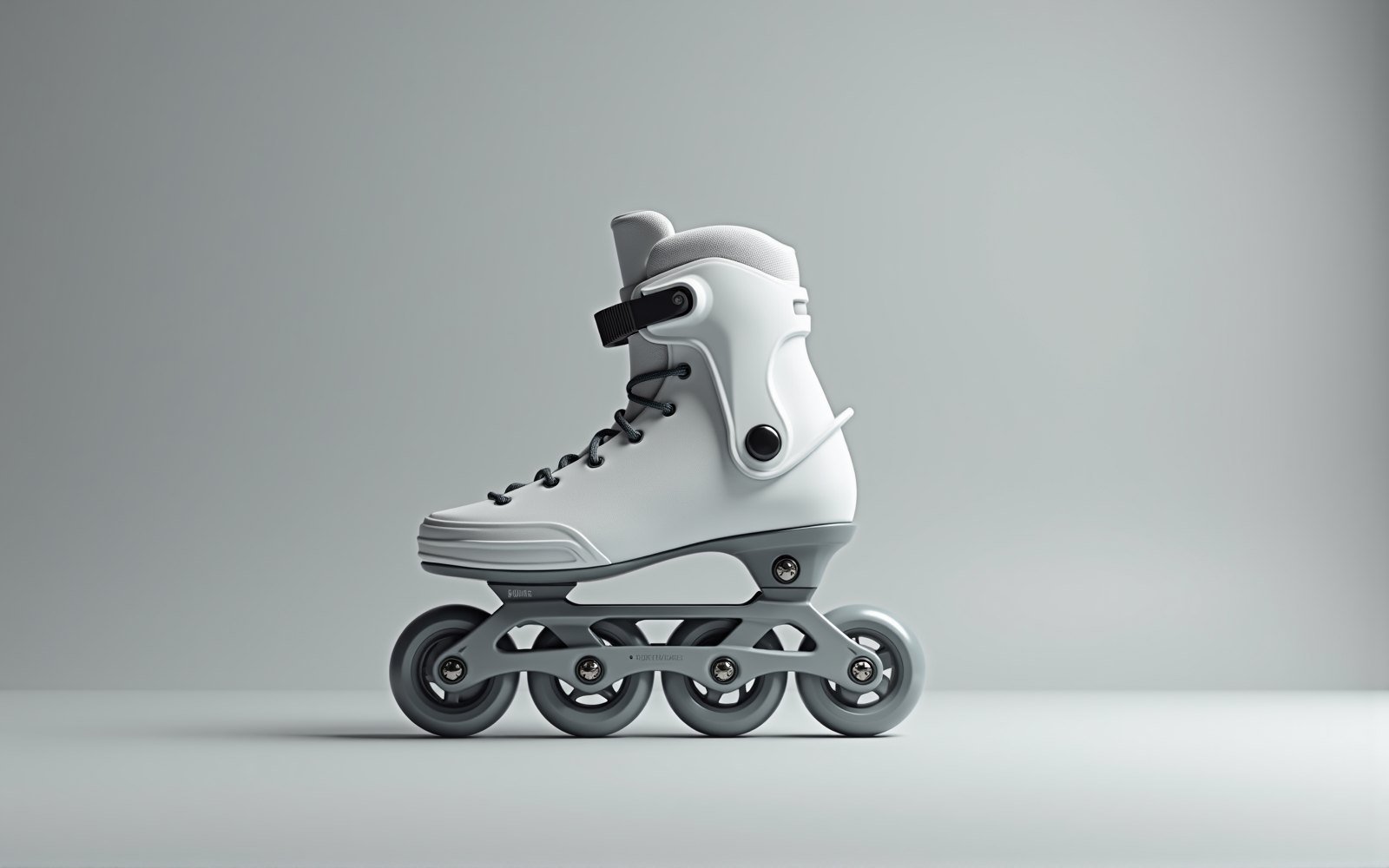
Inline speed comes down to two things working together: a setup that wastes as little energy as possible, and a pushing technique that puts your power into the ground instead of the air. Most skaters chase faster skates when the bigger gains are hiding in wheel choice, frame geometry, and the mechanics of the push. In this guide I break down everything that actually moves the needle on inline speed in 2026: the fastest frame-and-wheel combinations, the wheel sizes and durometers that let you go quicker, the pushing and body-position technique that converts strength into velocity, and a safe step-by-step progression for building speed without wrecking yourself. I have been testing inline setups and coaching technique for years, and the recommendations below come from real sessions, not spec sheets.
By Tyler Brooks, Skateboarding Coach
Tyler has coached skateboarders for 10 years and has tested trucks, wheels, and protective gear on real street and park sessions.
Published: November 23, 2026
What Actually Limits Your Inline Speed
Before you spend a dollar, it helps to know where the speed is leaking out. In my sessions the four biggest drag sources, in order, are: wheel rolling resistance, frame and boot drag, push efficiency, and aerodynamics. Wheels and bearings account for more of the difference between a “slow” and a “fast” setup than almost anything else, because they are in constant contact with the ground. A soft, small, gritty wheel will bleed speed on every single push even if the rest of the setup is premium. That is why I always fix the wheels and the push first, and treat the boot and frame as secondary tuning.
The second lesson is that technique compounds. A skater with a good setup and a lazy push will lose to a skater with a modest setup and a strong, full push almost every time. Power has to travel from your legs, through a stable knee, into the ground behind you — not into a wobbly stance that scrubs energy sideways. The gear gets you to a certain ceiling; the technique determines how close you get to it. Both matter, but if you can only work on one this week, work on the push.
The 80/20 of going faster
Eighty percent of your speed gain comes from two things: harder, larger, cleaner wheels, and a full-extension push. Everything else — frame tweaks, boot stiffness, aerodynamics — is the remaining twenty percent. Fix the big two first and you will already be noticeably quicker.
The Fastest Inline Setup: Frames, Wheels & Bearings
A speed setup is built around three decisions: the frame (length and wheelbase), the wheels (size and durometer), and the bearings (sealed quality). Longer frames with bigger wheels roll faster over distance, while shorter frames turn quicker but top out lower. For pure inline speed you want the longest comfortable frame you can control, the largest wheels that still clear your frame, and clean sealed bearings. Here is how the pieces stack up.
| Component | Fast choice | Why it is faster | Trade-off |
|---|---|---|---|
| Inline speed skates | Long frame, 3–4 large wheels | More wheel per revolution, lower rolling resistance | Less maneuverable, needs space |
| Speed wheels | 100mm–110mm, 80A–85A | Bigger diameter + firm urethane = less energy loss | Less grip on rough or wet ground |
| Ceramic bearings | Sealed hybrid or full ceramic | Lower friction, spins longer per push | Cost more, need clean conditions |
| Boot / cuff | Stiff, low-profile speed boot | Transfers push power, less flex loss | Less comfortable for casual rides |
Component priorities for top speed; confirm fit and clearance with the manufacturer before buying.
Wheel Size and Durometer: The Biggest Speed Lever
Wheel diameter is the single biggest gear factor for top speed. A larger wheel covers more ground per revolution, so at the same cadence you move faster, and it rolls over small imperfections with less resistance. For inline speed, wheels in the 100mm to 110mm range are the sweet spot for most skaters; speed skaters go even larger, while fitness and all-around skaters often run 80mm to 90mm for a balance of speed and control.
Durometer (hardness) is the second lever. Softer wheels grip better and feel smoother on rough ground, but they deform more, which wastes energy. Firmer wheels (around 80A to 85A for speed) deform less and roll faster on clean pavement, at the cost of grip and comfort on grit. If you skate on smooth, clean surfaces for speed, go firm and large. If you skate rough or occasionally wet streets, stay a touch softer and a size smaller so you keep traction.
Pushing Technique for Speed: Step-by-Step
The push is where strength becomes speed, and it is the most common place skaters leave velocity on the table. A fast push is long, low, and behind you — not a short scrub at your side. Here is the sequence I coach, from stance to follow-through.
- Set a narrow, centered stance. Stand with your feet close to the centerline of the frame, weight balanced over the balls of your feet. A wide stance scrubs energy sideways and slows you down.
- Bend low and keep your core tight. Drop your hips, bend your knees, and stay tall through the torso. The lower and more stable you are, the more power you can drive into the ground without bouncing.
- Push from the hip, not the knee. Drive the pushing leg back and out from the hip in a long arc, keeping the leg almost straight. You are trying to place your foot behind you, not beside you.
- Extend fully before you recover. Let the pushing leg reach its full extension and the toe point back before you bring it forward. Cutting the push short is the single biggest speed killer I see.
- Bring the leg forward over the top. Recover the pushing leg by lifting it up and over to land it near the centerline, ready for the next push. Think of a smooth, continuous rhythm rather than a series of kicks.
- Keep your arms relaxed and slightly back. Your arms counterbalance the push and help your aero position; keep them loose, not pinned to your sides or pumping wildly.
The one-drill that fixes a weak push
On flat, smooth ground, skate at half speed and focus only on full hip extension behind you. Do ten slow, long pushes, then repeat. Once the long push feels natural, add speed. Most skaters are surprised how much faster they get from one fix.
Body Position and Aerodynamics at Speed
At higher speeds, air resistance becomes a real drag force, and your body position starts to matter. You do not need to tuck like a velodrome racer to benefit, but a slightly lower, more compact position genuinely helps. Keep your shoulders over your hips, your chest down a bit, and your head up looking ahead — not down at your feet. Every few centimeters of height you shed off your profile reduces the wind you are plowing through.
Stability is part of aero, too. A skater who is wobbling at speed is creating turbulence and wasting energy correcting. Practice holding a smooth, steady line at your top comfortable speed; the calmer you are, the faster you can sustain it. This is also where a stiff boot and a well-aligned frame pay off, because they keep your energy going forward instead of into side-to-side correction.
How to Build Speed Safely: A Step-by-Step Progression
Speed work only pays off if you stay standing, so build it in stages on a safe, smooth, low-traffic surface. Wear at minimum a helmet and wrist guards, and add knee and elbow pads once you are past the beginner stage. Here is the progression I use with skaters who want to get faster.
- Stage 1 — Master the push at low speed. On flat ground, focus on a full, long push and a stable stance. Do not chase speed yet; chase clean, repeatable pushes.
- Stage 2 — Add cadence. Once the push is smooth, increase how often you push while keeping each one full. Faster, controlled pushes build speed without losing form.
- Stage 3 — Introduce a low aero position. Drop your torso slightly and hold a steady, calm line. Practice sustaining it for longer intervals.
- Stage 4 — Use gentle downhill or longer straights. On a safe, empty stretch, let a small hill or a long flat carry you to higher speeds and practice holding your position under load.
- Stage 5 — Time and repeat. Pick a measured distance and time your runs. Track your progress, rest properly between efforts, and rebuild speed gradually rather than in one hero session.
Stopping Fast: Speed Braking
You are only as fast as you can stop, so braking is not an afterthought — it is part of speed training. At higher speeds, the common heel-drag brake runs out of range and can feel unstable, which is why speed skaters add a dedicated brake. The most common options are a frame-mounted heel brake for control at moderate speed and, for serious speed work, a rockered or stopper setup. Whichever you use, practice braking early and often on a safe surface so stopping becomes automatic rather than a panic move. If you do not have a speed brake yet, an inline helmet and good knee pads are the minimum safety layer before you chase top speed.
Never speed-skate where you cannot stop
Pick a surface where you have a clear, long braking distance and no traffic, pedestrians, or obstacles. If you cannot see a safe place to stop, you are going too fast for that spot. Speed without a braking plan is just a slower crash.
Common Mistakes That Kill Your Inline Speed
The gear and the push only matter if you are not wasting energy on avoidable mistakes. These are the most common speed-killers I see in sessions, and fixing even one or two of them will make you noticeably faster without spending a cent on new equipment.
- Pushing from the knee instead of the hip. This creates a short, scrubby push that sends power sideways rather than backward, so you burn energy without moving forward.
- Cutting the push short. Not letting the leg reach full extension before you recover is the single biggest speed leak I see, and it is completely fixable with focused practice.
- Standing too tall. A high, upright stance raises your center of gravity and your aero profile, and makes it harder to drive real power into the ground.
- Riding wide. Feet far off the centerline scrub energy sideways. Keep your stance narrow and centered so every push goes where you want it to.
- Ignoring wheel condition. Soft, rounded, or gritty wheels bleed speed on every single push. Keep your wheels firm, round, and clean, and replace them before they fall apart.
- Chasing speed before you can stop. If you cannot brake confidently, you will skate tense and defensive, which kills your flow and your speed at the same time.
Build Your Speed Setup
If you want to put together a speed-focused setup from the parts above, this is the short list I would start with. Pair a long-frame speed skate with firm, large wheels and clean sealed bearings, and add the safety layer before you push hard. Prices were approximate at the time of writing — always confirm current pricing and fit with the retailer.
Shop this speed setup
The core of a fast, safe inline setup, in one place:
- Long-frame inline speed skates
- Firm 100mm–110mm speed wheels
- Sealed ceramic bearings
- A proper inline helmet
- Knee pads for speed work
Maintaining Your Speed Setup
A fast setup stays fast only if you maintain it, because speed is the first thing to suffer from worn or dirty components. Here is the short upkeep routine I use after every few sessions to keep a speed setup quick for far longer.
First, check your wheels. Rotate them regularly so they wear evenly, and replace them once they round out, crack, or lose their shape, because a rounded wheel rolls slower and handles worse no matter how good the rest of the setup is. Second, keep your bearings clean. Dust and grit are the enemy of a fast spin, so clean or replace your bearings when they start to feel rough or noisy, and store your skates in a dry place so the seals do not rust. Third, make sure your frame and boot are tight and aligned. A loose frame or a worn boot flexes and wastes the power you are trying to put into the ground, so tighten and inspect your hardware regularly. Ten minutes of simple upkeep after a session is the cheapest speed upgrade there is.
Inline Speed FAQ
How big should my inline speed wheels be?
For most skaters chasing speed, 100mm to 110mm is the sweet spot — big enough to roll fast and smooth, small enough to stay controllable and clear your frame. Dedicated speed skaters run larger wheels on longer frames, while all-around and fitness skaters often stay in the 80mm to 90mm range. Match the size to your frame clearance and how much control you want at speed.
Do harder wheels make me go faster?
On clean, smooth pavement, yes — firmer wheels (around 80A to 85A for speed) deform less, so they waste less energy and roll faster. On rough or wet ground, though, too-firm wheels lose grip and can feel sluggish. So the answer depends on your surface: firm and large for clean speed skating, a touch softer and smaller for real-world streets.
How fast can a beginner realistically get?
A beginner with a decent setup and a solid push can comfortably cruise in the 12 to 18 mph range after a few weeks of practice, and build from there. Top speed is less about raw talent and more about a clean push, a good wheel choice, and confidence holding a steady position. Progress is gradual — focus on form first and the speed follows.
Is it safe to skate fast?
It is safe when you match your speed to the surface and always have a braking plan. Wear a helmet at minimum, add pads as you get faster, choose a clear low-traffic area with a long stopping distance, and build speed in stages. The danger is not speed itself — it is speed in a place where you cannot stop or see what is ahead.
Do I really need a special speed setup?
You do not need to buy everything at once. The biggest gains come from larger, firmer, cleaner wheels and a full, strong push — both of which you can add to skates you already own. A dedicated long-frame speed skate helps at the top end, but a well-set-up all-around skate with good wheels and a good push will get you faster than a lazy push on any setup. Upgrade the wheels and the technique first, then the rest.
See also
Sources
- Wikipedia — “Inline skating” (equipment, frames, and wheel overview)
- Wikipedia — “Speed skating” (technique and velocity context)
- Spitfire Wheels — official site and wheel line
#InlineSpeed #InlineSkating #SpeedSkating #InlineWheels #SkateFaster #InlineSkates #SpeedSetup #Skateboarding #RollerBlades #InlineFitness #SpeedWheels #CeramicBearings #SkateLife #InlineSpeedSkating #Ska8
This guide is part of the ska8 daily series. Explore more below.